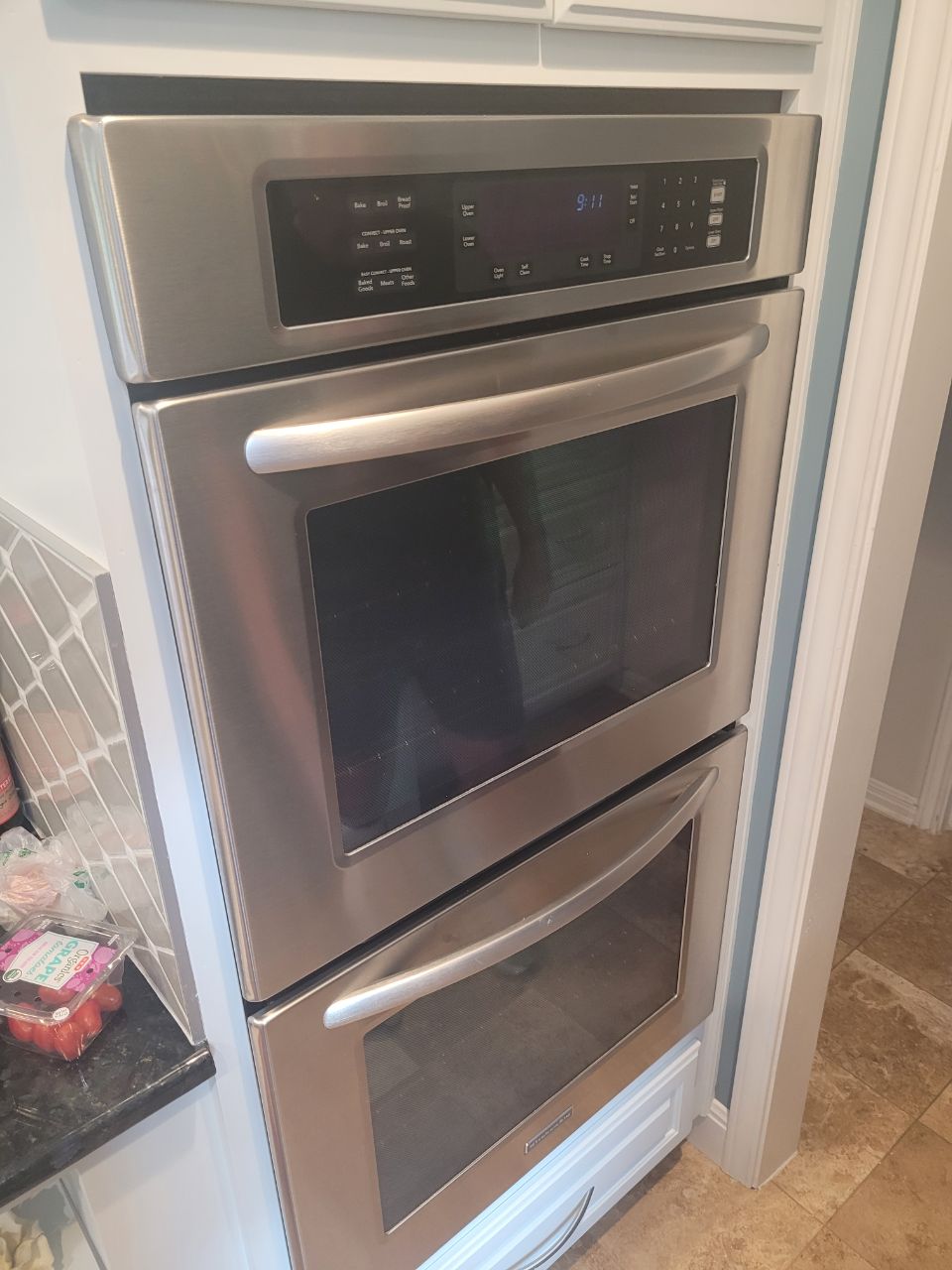
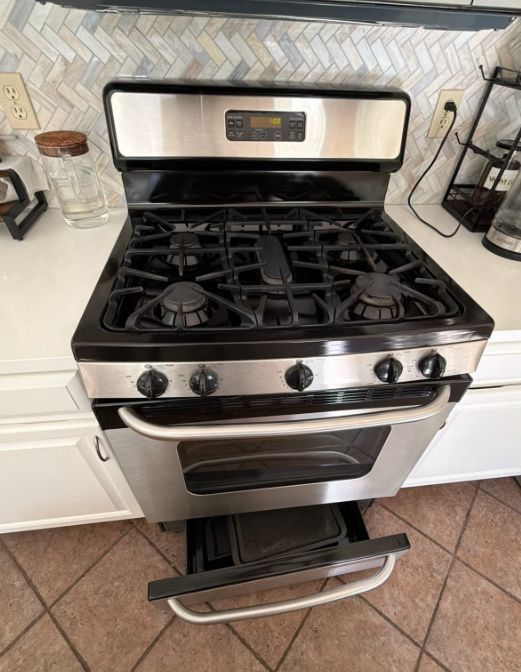
Oven Repair Complete Guide: Expert Tips from Austin Techs
TL;DR
- Most oven problems trace back to heating elements, igniters, temperature sensors, or control boards
- Always disconnect power before inspecting an electric oven; if you smell gas, leave immediately and call your utility
- Simple repairs like element replacement can be DIY-friendly, but gas work and control board diagnostics require professional expertise
- Regular cleaning and maintenance extend oven lifespan and prevent many common failures
- Repair costs typically range from $150–$450 depending on the issue and parts needed
Whether you're searching for an oven repair complete guide or just trying to figure out why your oven won't heat evenly, you've come to the right place. At The Appliance Family, we've spent years diagnosing and repairing ovens across Austin and Central Texas, from Georgetown to Buda, and we know exactly what homeowners need to understand about their ovens. This guide walks you through common problems, diagnostic steps, and honest advice about when to grab your toolbox and when to pick up the phone.
How ovens work and what goes wrong
Ovens use either electric heating elements or gas burners controlled by thermostats and sensors to maintain consistent temperature. Electric ovens cycle heating elements on and off based on feedback from a temperature sensor, while gas ovens use an igniter to open a gas valve and light the burner.
Most oven failures happen in predictable spots. Heating elements burn out after years of thermal cycling. Igniters in gas ovens weaken and eventually can't draw enough current to open the gas valve. Temperature sensors drift out of calibration or fail completely. Control boards can develop failed relays or capacitors. Door gaskets wear down and allow heat to escape.
Electric oven components
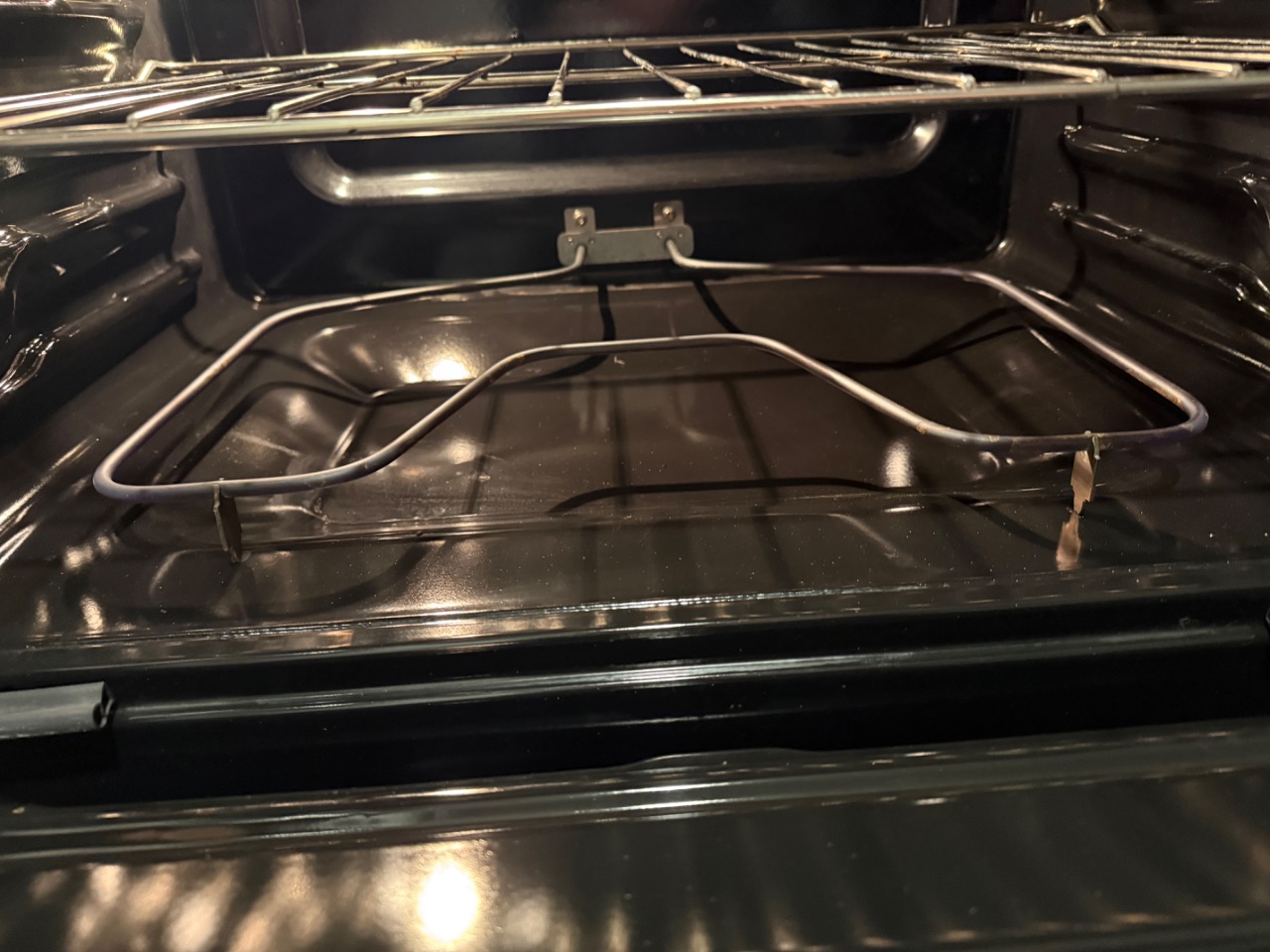
Electric ovens contain a bake element at the bottom and a broil element at the top. The temperature sensor—a thin probe usually located at the upper rear of the oven cavity—sends resistance readings to the control board. When the sensor detects the set temperature, the board cuts power to the elements.
Gas oven components
Gas ovens use an igniter that serves double duty: it heats up to ignite the gas, and it also acts as a safety sensor. As the igniter heats and draws more current, it eventually reaches a threshold that allows the gas valve to open. The gas flows, meets the glowing igniter, and ignites.
If you smell gas, leave the home immediately and call your gas utility. Do not attempt repairs.
Common oven problems and their causes
The most frequent oven issues we encounter at The Appliance Family involve heating failures, temperature inaccuracy, and unusual noises.
Oven won't heat at all
When an electric oven shows power but produces no heat, the bake element has usually failed. You can often see a visible break or blister in the element. In gas ovens, a weak or failed igniter is the usual culprit, though a faulty gas valve or control board can also prevent heating.
Oven heats unevenly or to wrong temperature
Temperature problems typically involve the sensor, a miscalibrated control board, or a weak element that can't reach full temperature. If the oven runs consistently hot or cold by 25 degrees or more, sensor replacement or control board recalibration usually solves it.
Gas oven igniter glows but doesn't light
This is the classic symptom of an aging igniter. The igniter glows orange or white, proving it's receiving power, but it no longer draws enough current to signal the gas valve to open. This is one of the most common repairs we perform throughout Round Rock, Pflugerville, and the surrounding areas.
Oven door won't close or seal properly
Worn door gaskets, misaligned hinges, or damaged door glass can prevent proper sealing. Heat escapes, cooking times increase, and temperature accuracy suffers. Replacing a door gasket is straightforward—you remove the old gasket from its channel and press the new one into place.
Diagnostic checklist for oven problems
Before calling for service or ordering parts, work through this systematic diagnostic process:
- Check the power supply: Confirm the oven is receiving power. Check your electrical panel for tripped breakers—ovens often use a double-pole breaker.
- Inspect heating elements visually: Look for visible breaks, blisters, or burn marks on electric elements. Remove oven racks for a clear view of the bake element at the bottom of the cavity.
- Test with an oven thermometer: Place an oven thermometer in the center, set the temperature to 350°F, and let it preheat completely. A variance of 15 degrees or less is normal; more than 25 degrees indicates a sensor or calibration problem.
- Observe the igniter cycle (gas ovens): Set the oven to bake and watch the igniter. It should glow bright white within 90 seconds and ignite the gas within two to three minutes total. If it glows but doesn't light, the igniter likely needs replacement.
- Check error codes: Many modern ovens display error codes when they detect problems. Consult your owner's manual or search the model number and error code online.
- Examine the door seal: Close the oven door on a dollar bill at several points around the perimeter. You should feel resistance when pulling the bill out.
Always unplug the appliance before any inspection or repair. If unsure, call a licensed technician.
When to call a pro vs. DIY
Some oven repairs are straightforward enough for confident homeowners, while others require specialized tools or safety training.
Safe DIY repairs
Replacing an electric oven heating element is the most common DIY-friendly repair. The elements simply unbolt and unplug—no complex wiring required. Door gasket replacement is another manageable task. Oven light bulb replacement and cleaning the sensor probe are maintenance tasks any homeowner can handle.
When professional help makes sense
Gas oven repairs always warrant professional service. Working with gas requires understanding proper combustion, leak detection, and safety protocols. Control board diagnosis involves testing voltage and identifying failed components—our technicians at The Appliance Family use specialized diagnostic tools for these repairs. Door hinge and glass replacement requires disassembly techniques that prevent damage to other components.
If you're uncomfortable working around electricity, unsure about the diagnosis, or dealing with a high-end appliance still under warranty, calling a professional protects both your safety and your investment.
The cost equation
Labor typically represents half to two-thirds of a repair bill. A $40 heating element becomes a $200–$300 repair when you factor in the diagnostic fee and labor. If you're confident in the diagnosis and comfortable with the work, DIY saves money. But misdiagnosis leads to buying parts you don't need. A professional diagnostic visit—usually $75–$125 that applies to the repair—gives you certainty.
Extending your oven's lifespan
Regular maintenance prevents many common failures and keeps your oven running efficiently for years.
Clean spills promptly, especially anything that drips onto heating elements or burners. Burnt-on food becomes carbonized and can cause elements to fail prematurely. Use the self-cleaning cycle sparingly—the extreme heat stresses components and is a common trigger for control board failures in older ovens.
Check and clean the temperature sensor probe every few months. It's usually a thin metal tube at the upper rear of the oven cavity. Grease buildup insulates the sensor and causes inaccurate readings. Wipe it gently with a damp cloth. Don't bend or force it—the sensor is fragile.
Inspect door gaskets annually for cracks, tears, or compression. A failing gasket wastes energy and affects cooking performance. Keep oven vents clear—blocked vents cause overheating and can damage control boards.
According to the U.S. Department of Energy, maintaining your oven properly can improve energy efficiency by up to 15 percent while extending appliance lifespan.
Understanding repair costs
Oven repair costs in the Austin area typically range from $150 to $450, though complex issues or high-end appliances can run higher. The diagnostic fee usually runs $75–$125 and applies toward the repair if you proceed.
Simple repairs like heating element or igniter replacement fall on the lower end. Control board replacement costs more due to part expense—boards run $150–$300 depending on the model. Gas valve replacement involves both parts cost and the specialized knowledge required for safe gas appliance service.
When evaluating repair versus replacement, consider the oven's age and overall condition. If your oven is less than eight years old and has been reliable, repair almost always makes financial sense. Between eight and twelve years, weigh the repair cost against remaining lifespan.
The Consumer Product Safety Commission recommends replacing appliances that pose safety risks due to age or repeated failures, particularly gas appliances showing signs of incomplete combustion.
Additionally, Consumer Reports suggests that repair costs exceeding half the replacement value typically favor purchasing a new unit.
Get expert oven repair in Austin and Central Texas
Whether you're dealing with a failed heating element in Georgetown, an igniter issue in Round Rock, or temperature problems anywhere in Central Texas, The Appliance Family brings experienced, honest service to your door. Our technicians diagnose accurately, explain clearly, and complete most repairs the same day. We stock common parts on every truck, provide upfront pricing, and stand behind our work with solid warranties.
If your oven isn't working right and you need reliable repair service, give us a call at (512) 934-2240 or visit our contact page to schedule service. We're proud to serve Austin, Round Rock, Cedar Park, Pflugerville, Georgetown, Leander, Kyle, Buda, Lakeway, Bee Cave, and the communities throughout Central Texas. Learn more about our appliance repair services.
Frequently Asked Questions
How much does oven repair typically cost?
Most oven repairs in the Austin area range from $150 to $450, depending on the issue and parts needed. Simple fixes like replacing a heating element or igniter typically fall on the lower end, while control board replacements or gas valve repairs cost more. We provide a diagnostic fee that applies to the repair cost, and we always give you an estimate before starting work.
Why is my oven not heating to the correct temperature?
Temperature problems usually stem from a faulty temperature sensor, a worn heating element, or a miscalibrated control board. The sensor tells the control board when to cycle the element on and off. If it's reading incorrectly, your oven will overshoot or undershoot the set temperature. An oven thermometer can help you verify the actual temperature versus what's displayed.
Can I replace an oven heating element myself?
Replacing an electric oven heating element is one of the most straightforward DIY repairs if you're comfortable with basic tools. Always unplug the appliance first, remove the oven racks, unscrew the element bracket, disconnect the wire terminals, and reverse the process with the new element. If you have a gas oven or aren't confident working around electrical connections, call a professional.
How long should an oven last before needing major repairs?
A well-maintained oven typically lasts 13 to 15 years before requiring significant repairs or replacement. Regular cleaning, avoiding spills on heating elements, and proper ventilation help extend lifespan. As ovens age, you may notice more frequent issues with igniters, sensors, and control boards. If repair costs exceed half the replacement cost, it may be time to upgrade.
What does it mean when my gas oven igniter glows but doesn't light?
When the igniter glows orange or white but the gas doesn't ignite, the igniter is usually weak and drawing insufficient current to open the gas valve. Igniters weaken over time and need replacement every few years. This is a common issue we see throughout Central Texas. While igniters are relatively inexpensive parts, gas appliance work requires proper training and safety precautions.
Need a hand with your appliance?
Same-day appliance repair and installation across the Austin area.