Oven Self-Cleaning Cycle Problems & How to Fix Them
TL;DR
- Oven self-cleaning problems often involve door lock failures, error codes, burning smells, and temperature sensor malfunctions caused by the extreme 800–900°F temperatures
- The most common issue is a door that won't unlock after the cycle—usually caused by a faulty door latch assembly, thermal sensor, or control board
- Always remove oven racks (unless porcelain-coated), wipe up heavy spills, and ensure kitchen ventilation before starting a self-clean cycle
- Many self-clean problems require professional diagnosis because they involve high-voltage components and thermal safety systems
- The Appliance Family serves Austin and Central Texas with expert oven repair—call (512) 934-2240 for same-day service
Oven self cleaning problems can turn a convenient maintenance feature into a major headache. When your self-cleaning cycle won't start, won't finish, or leaves your oven door locked shut for hours, you need answers fast. We've diagnosed and repaired hundreds of self-clean cycle failures across Austin, Round Rock, Cedar Park, and throughout Central Texas, and we're sharing the most common problems and solutions right here.
From our truck this week
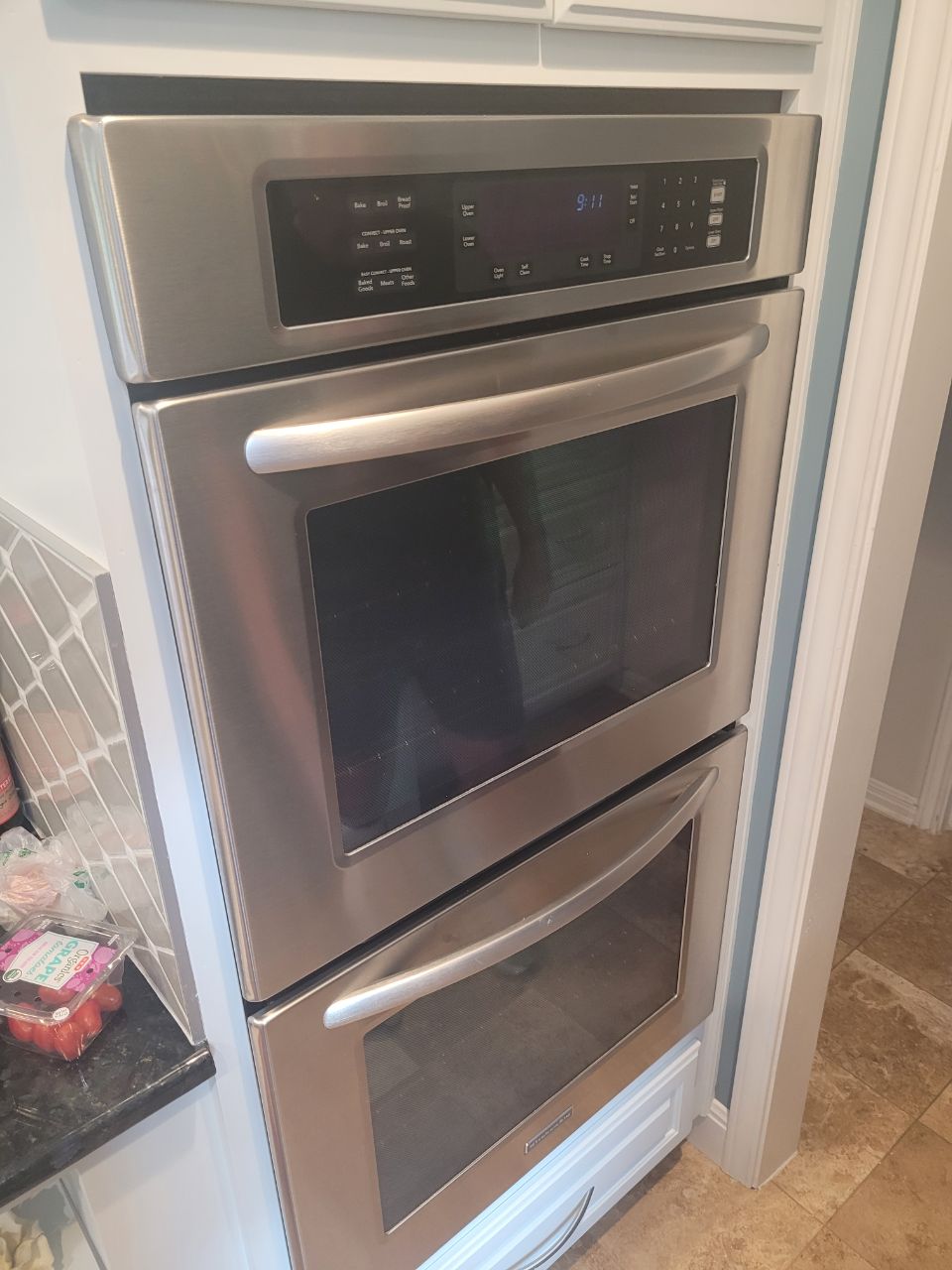
We installed a beautiful double wall oven unit in a Georgetown home this week, and while we were there, the homeowner asked about best practices for the self-cleaning feature on her new appliance. Understanding how these cycles work helps you avoid the most common problems down the road.
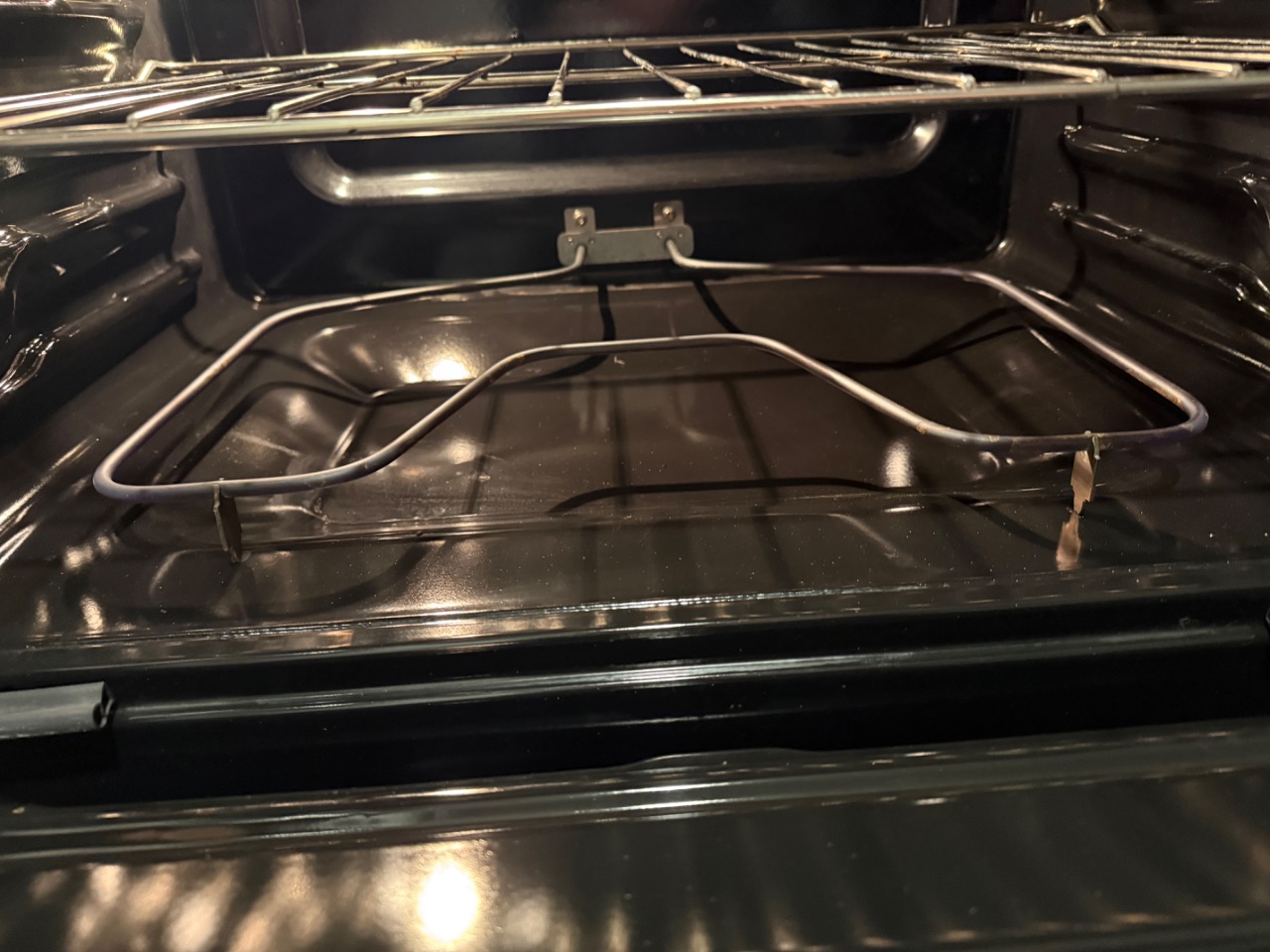
During a routine service inspection in Cedar Park, we opened up an oven to check the heating element configuration and rack placement. The customer had been experiencing incomplete self-clean cycles, and we discovered food debris had actually built up around the heating element—a problem that not only prevented effective cleaning but posed a fire hazard during the high-heat cycle.
How the Self-Cleaning Cycle Actually Works
The self-cleaning cycle heats your oven to between 800 and 900 degrees Fahrenheit—much hotter than any cooking temperature—to incinerate food residue into ash. During this process, the oven door automatically locks for safety, and it won't unlock until the internal temperature drops below a safe threshold, typically around 600°F or lower.
This extreme heat is controlled by several safety systems including thermal fuses, temperature sensors (thermistors), and a door lock mechanism that physically prevents the door from opening. When any of these components fail or miscommunicate with the control board, you end up with the frustrating problems we'll diagnose below.
The Department of Energy notes that while self-cleaning is energy-intensive, it's still more efficient than using chemical oven cleaners repeatedly.
Common Oven Self-Cleaning Problems and Symptoms
Door Won't Lock When Cycle Starts
If your oven won't begin the self-clean cycle and displays an error code related to the door lock, the door latch assembly may be broken or obstructed. This assembly includes a motor or solenoid that physically moves a latch into place. You might hear a clicking sound as the oven tries repeatedly to engage the lock. Check the door latch visually—sometimes food debris or a warped door gasket prevents it from seating properly.
Door Won't Unlock After Cycle Completes
This is the number one complaint we hear at The Appliance Family. Your oven completes the self-clean cycle, cools down for hours, but the door stays locked. The issue is usually a faulty door lock motor, a stuck latch mechanism, or a temperature sensor giving incorrect readings to the control board. First, make absolutely certain the oven has cooled. Wait at least 2 hours after the display shows the cycle is complete. Try unplugging the oven for 5 minutes to reset the control board.
Burning Smell or Smoke During Cycle
Some smoke and odor during self-cleaning is normal—that's literally food turning to ash. But excessive smoke, a burning plastic smell, or visible flames indicate a serious problem. Common causes include plastic items or aluminum foil left in the oven, food debris on the heating element igniting, or electrical insulation burning on wiring near the heating coils. Stop the cycle immediately, turn off the oven, and ventilate your kitchen.
Error Codes Appearing During Cycle
Modern ovens display error codes when self-clean cycles fail. Common codes include F9 or F90 (door lock failure), F3 or F4 (temperature sensor fault), and F1 (control board communication error). According to Consumer Reports, understanding these codes helps identify the failing component quickly.
Cycle Stops Prematurely
If your self-clean cycle shuts off after 30 minutes or an hour instead of completing the full 2 to 4 hour cycle, the thermal fuse has likely blown or the temperature sensor is malfunctioning. The thermal fuse is a one-time safety device that cuts power to the oven if it detects dangerous overheating. Once blown, it must be replaced—it won't reset.
Step-by-Step Diagnostic Checklist
Before calling for service, work through these diagnostic steps to identify the problem. Always prioritize safety—these cycles involve extreme heat and high-voltage electrical components.
Safety first: Always unplug the appliance before any inspection or repair. If unsure, call a licensed technician.
- Verify the oven is completely cool. Wait 3 hours after the cycle ends. Many "stuck door" problems resolve themselves once the oven truly reaches a safe temperature.
- Check for error codes on the display. Write down the exact code and consult your owner's manual. Error codes tell you which system failed—door lock, temperature sensor, or control board.
- Inspect the door latch mechanism visually. Look at the latch arm on the oven frame. It should move smoothly without catching. Look for food debris, grease buildup, or bent metal preventing proper movement.
- Test the door lock reset procedure. Unplug the oven or flip the circuit breaker for 5 full minutes, then restore power. This resets the control board and sometimes clears a stuck lock signal.
- Examine the door gasket for damage. A torn, compressed, or misaligned door gasket can prevent the door from seating properly, which stops the lock from engaging.
- Listen for motor sounds when initiating the cycle. You should hear the door lock motor engage with a distinct click or hum. If you hear nothing, the lock motor or control board has failed.
- Check your circuit breaker and verify full power. Some ovens require two 120V circuits to operate at full capacity.
Specific Component Failures and Repairs
Door Lock Assembly Replacement
The door lock assembly includes a motor or solenoid, a latch arm, and a micro-switch that signals the control board when the door is locked. This entire assembly typically costs between $80 and $200 for the part. This repair is best left to professionals—the door lock is a safety interlock system, and improper installation could allow the door to unlock during a high-heat cycle.
Temperature Sensor (Thermistor) Issues
The oven temperature sensor is a thermistor probe that extends into the oven cavity. It constantly monitors temperature and reports to the control board. Thermistors can be tested with a multimeter—they should read a specific resistance at room temperature (usually around 1,080 to 1,100 ohms at 70°F). Replacement sensors cost $30 to $80.
Thermal Fuse Blown
The thermal fuse is a one-time safety cutoff mounted near the heating elements or on the control board. Once blown, it must be replaced. Replacing a thermal fuse costs $20 to $50 for the part, but here's the critical issue: you need to find out WHY it blew. Our technicians at The Appliance Family always test the heating elements, temperature sensor, and ventilation when we find a blown thermal fuse.
Control Board Malfunction
The electronic control board manages all oven functions including the self-clean cycle timing, temperature regulation, and door lock commands. Control board replacement is expensive—typically $200 to $500 for the part alone, plus labor. Before replacing a control board, a good technician will test all the sensors and switches that feed information to the board.
When to Call a Pro vs. DIY
Safe DIY approaches: Resetting the control board by cutting power for 5 minutes, cleaning the door latch mechanism of debris and grease, inspecting and replacing a damaged door gasket, and verifying that nothing was left inside the oven cavity.
When to call The Appliance Family or another qualified technician: Any problem involving the door lock assembly replacement, control board diagnosis and replacement, thermal fuse replacement (because the underlying cause must be found), or any situation where you smell burning plastic or see visible damage to wiring. The Consumer Product Safety Commission recommends professional service for safety-critical repairs.
Our oven repair services cover all makes and models throughout Austin, Georgetown, Leander, and surrounding communities. Many repairs can be completed the same day we diagnose the problem.
Preventing Self-Clean Cycle Problems
Remove oven racks before starting the cycle unless your manufacturer specifically states they're porcelain-coated and safe for self-cleaning. Standard chrome racks will discolor and become difficult to slide after exposure to extreme heat. Wipe up heavy spills and food debris before starting the cycle—the self-clean feature works best on light, baked-on residue.
Ensure good kitchen ventilation by opening windows or running your range hood fan during the cycle. Limit self-cleaning to once every 2 to 3 months unless absolutely necessary. Every self-clean cycle puts stress on heating elements, temperature sensors, and the door lock mechanism.
If your oven is more than 10 years old, consider professional cleaning or manual cleaning instead of the self-clean cycle. Older components are more likely to fail under the stress of 900-degree temperatures.
Cost Expectations for Self-Clean Repairs
Repair costs for self-cleaning problems vary based on the specific component failure and your oven brand. Understanding typical ranges helps you make informed decisions about repair versus replacement.
Door lock assembly replacement typically runs $150 to $300 including parts and labor. Temperature sensor replacement usually costs $120 to $220. Thermal fuse replacement might be $100 to $180. Control board replacement is the most expensive repair at $300 to $600 or more for high-end brands.
As a rule of thumb, if repair costs approach 50% of a new oven's price and your current oven is more than 10 years old, replacement might be the better long-term investment.
We also offer service for other appliances beyond ovens—check out our dishwasher repair, refrigerator repair, and complete appliance repair services throughout the Austin area.
Frequently Asked Questions
Why won't my oven door unlock after the self-cleaning cycle?
The door lock mechanism is controlled by a thermal sensor that must register a safe temperature (usually below 600°F) before it releases. If it stays locked after cooling, the door latch assembly or the control board may be faulty. Try unplugging the oven for 5 minutes to reset the control board. If that doesn't work, the door lock motor or solenoid likely needs replacement by a professional.
Can self-cleaning damage my oven?
Self-cleaning cycles reach temperatures between 800–900°F, which can stress components like heating elements, thermal sensors, and door gaskets. Older ovens or those with existing wear may experience failures during or after a self-clean cycle. We recommend removing heavy soil manually before running the cycle and avoiding self-cleaning more than once every few months to extend your oven's lifespan.
Why does my oven smell like burning plastic during self-cleaning?
A burning plastic smell usually comes from food debris on the heating element, plastic items left inside accidentally, or deteriorating wire insulation near the heating coils. Stop the cycle immediately and ventilate your kitchen. Once cooled, inspect the oven cavity and heating elements. If the smell persists or you see damaged wiring, call a technician before using the oven again.
How long should an oven self-cleaning cycle take?
Most self-cleaning cycles run between 2 to 4 hours, depending on the soil level setting you choose. Heavy soil settings take longer. After the cycle completes, the oven needs 1 to 2 additional hours to cool before the door unlocks. If your cycle stops prematurely or the door never unlocks, there's likely a problem with the thermal fuse, temperature sensor, or control board.
Is it safe to run the self-cleaning cycle?
For most modern ovens in good condition, self-cleaning is safe when used properly. Remove all racks unless they're labeled porcelain-coated for self-clean, wipe up heavy spills, and ensure good kitchen ventilation. If your oven is more than 10 years old or has existing issues, the extreme heat can trigger component failures. Consider manual cleaning or professional service for older units.
Get Expert Help with Oven Self-Cleaning Problems
When your oven's self-cleaning cycle leaves you stuck with a locked door, error codes, or burning smells, you need experienced technicians who can diagnose the problem quickly and fix it right the first time. The Appliance Family has been serving Austin, Round Rock, Cedar Park, Pflugerville, Georgetown, Leander, Kyle, Buda, Lakeway, Bee Cave, and all of Central Texas with honest, expert appliance repair.
We stock common oven parts on our trucks, which means many repairs can be completed the same day. Our technicians are trained on all major brands and stay current on the latest diagnostic techniques and manufacturer service bulletins. We'll explain exactly what's wrong, give you a clear cost estimate before we start work, and make sure your oven is safe to use when we're done.
Don't let a malfunctioning self-clean cycle keep you from using your oven. Call The Appliance Family at (512) 934-2240 or visit our contact page to schedule service. We're here to help keep your kitchen running smoothly.
Need a hand with your appliance?
Same-day appliance repair and installation across the Austin area.