Best Dishwasher Brands for Hard Water Areas
TL;DR
- Top hard water dishwasher brands: Bosch (built-in water softeners), Miele (exceptional filtration), and KitchenAid (robust stainless interiors)
- Essential features: Stainless steel tubs, built-in water softeners, hard food disposers, and soil sensors that adjust cycles
- Austin's water hardness: Ranges 120–180 ppm in most areas—moderately hard to hard, requiring dishwasher protection
- Maintenance matters: Monthly descaling and filter cleaning extend dishwasher life by 3–5 years in hard water regions
- Professional installation recommended: Proper water line connection and leveling prevent hard water damage from the start
Finding the best dishwasher brands for hard water areas is critical for homeowners across Austin and Central Texas, where mineral-rich water leaves spots on glasses, film on dishes, and scale buildup inside appliances. After servicing thousands of dishwashers throughout Round Rock, Cedar Park, Pflugerville, and Georgetown, our technicians at The Appliance Family have seen firsthand which brands stand up to hard water and which ones struggle within a year.
From Our Truck This Week
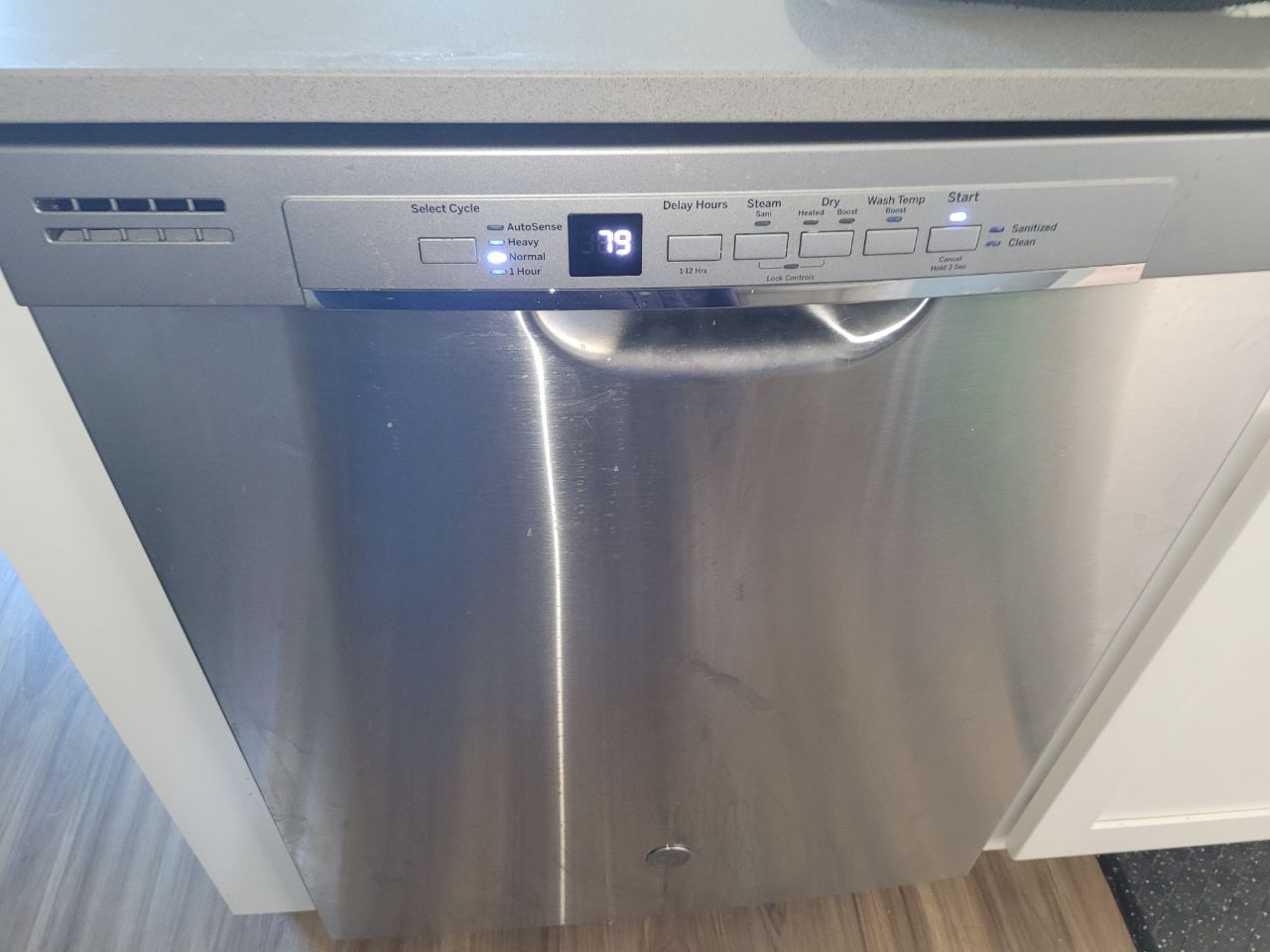
We see dozens of dishwashers every week across Central Texas, and hard water issues come up constantly. This week, one of our technicians worked on a unit where the homeowner had programmed a delayed start to take advantage of off-peak energy hours—a smart move that also gives water softener additives more time to work before the wash cycle begins.
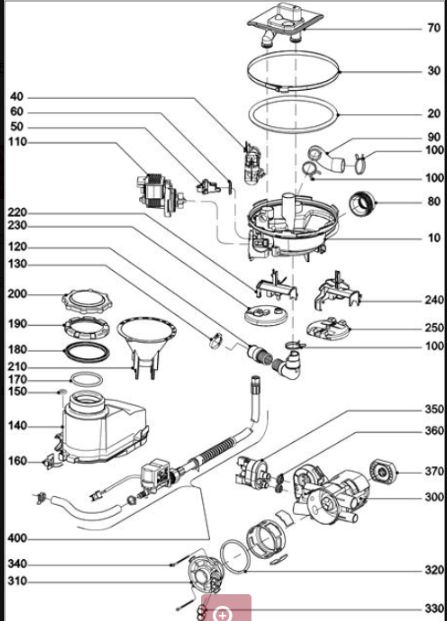
Understanding how dishwashers are constructed helps us diagnose hard water damage quickly. The internal components—spray arms, heating elements, pumps, and filters—are all vulnerable to mineral accumulation, which is why choosing the right brand matters so much in our service area.
Understanding Austin's Hard Water Challenge
Central Texas water typically measures between 120 and 180 parts per million (ppm) of dissolved minerals, classified as moderately hard to hard. This mineral content—primarily calcium and magnesium—causes dishwashers to work harder, leaves residue on dishes, and accelerates component wear.
The Edwards Aquifer supplies much of our region's water, and while it provides excellent drinking water, the limestone geology adds significant mineral content. Our dishwasher repair calls frequently involve scale buildup that could have been prevented with the right appliance choice and maintenance routine.
Mineral deposits accumulate in spray arm nozzles, reducing water pressure and cleaning effectiveness. Scale forms on heating elements, forcing them to work harder and fail sooner. Pumps and valves develop mineral buildup that restricts water flow and causes mechanical failure.
Top Dishwasher Brands for Hard Water Performance
Based on repair frequency, customer satisfaction, and performance in Central Texas homes, Bosch, Miele, and KitchenAid consistently outperform competitors in hard water environments.
Bosch: Built-In Water Softening Systems
Bosch dishwashers, particularly the 800 Series and above, include dedicated water softener compartments that use regenerating salt to remove minerals before water reaches the wash chamber. Homeowners refill the salt reservoir every few months—frequency depends on water hardness and usage.
The stainless steel tubs in Bosch models resist corrosion and mineral adhesion better than plastic interiors. Their precision spray arms feature self-cleaning nozzles that resist clogging from scale deposits. We service many Bosch dishwashers across Austin, and they consistently show less hard water damage than comparable models without softening systems.
Bosch also offers adjustable water hardness settings, allowing you to program the exact mineral level in your water supply. This customization optimizes detergent usage and rinse aid release, preventing both over-drying and under-rinsing.
Miele: Commercial-Grade Filtration
Miele dishwashers feature exceptional filtration systems that trap mineral particles before they recirculate onto dishes or clog spray arms. Their AutoSensor technology detects water hardness and soil levels, then adjusts cycle length, temperature, and detergent activation accordingly.
The brand's patented Perfect GlassCare system modulates water temperature and pressure specifically for glassware, preventing the etching and clouding that hard water accelerates. While Miele dishwashers carry premium price points, our technicians see them lasting 15–20 years in hard water areas—double the lifespan of many budget models.
KitchenAid: Robust Construction
KitchenAid dishwashers combine stainless steel tubs with ProWash cycles that sense soil and mineral levels, then adjust water temperature and spray intensity. Their hard food disposers grind particles to prevent filter clogging, which is especially valuable in hard water areas where mineral buildup compounds food debris issues.
The FreeFlex third rack adds capacity while the dual-spray arms maintain strong water pressure throughout the tub. KitchenAid models handle heavy-duty cleaning without the premium price of Miele, making them popular with families across Round Rock and Cedar Park who need reliable hard water performance.
Essential Features for Hard Water Areas
Certain features make the difference between years of reliable service and constant frustration with spots, film, and repair calls. These components specifically address the challenges hard water presents.
Built-In Water Softener
Internal water softening systems treat water before it enters the wash cycle, removing calcium and magnesium ions that cause spots and scale. Look for models with adjustable hardness settings so you can match your local water conditions. The Appliance Family recommends testing your water hardness (simple test strips cost under $10) and setting the dishwasher accordingly.
Stainless Steel Interior
Stainless steel tubs resist mineral buildup, don't absorb odors, and maintain heat better than plastic interiors. The smoother surface prevents scale adhesion, making monthly cleaning more effective. Every dishwasher we install through our appliance installation service includes guidance on material benefits specific to your water quality.
Soil and Hardness Sensors
Smart sensors detect water hardness and soil levels, automatically adjusting cycle parameters for optimal cleaning. These systems prevent over-washing and under-rinsing. According to Energy Star, sensor-equipped dishwashers use 15–20% less water and energy while delivering better results in variable conditions.
Adjustable Rinse Aid Dispenser
Rinse aid prevents water from beading on dishes, which reduces spotting and speeds drying. In hard water areas, maximum rinse aid settings help overcome mineral interference. Quality dishwashers let you adjust dispenser settings from 1 to 6; start at setting 4 or 5 in Central Texas and adjust based on results.
Dishwasher Hard Water Damage Checklist
Use this diagnostic checklist to assess whether hard water is affecting your dishwasher's performance. Our technicians run through these steps on service calls to identify mineral-related issues before they cause component failure.
- Inspect glassware after wash cycles: White film, spots, or cloudiness indicates inadequate rinsing or water softening. Adjust rinse aid settings upward and verify water softener salt levels if your model includes that feature.
- Check spray arm nozzles for clogs: Remove upper and lower spray arms (they typically twist off) and hold them up to light. Clogged holes restrict water flow and reduce cleaning power. Use a toothpick to clear mineral deposits from each nozzle.
- Examine the filter assembly: Remove and rinse the filter under running water. Mineral buildup appears as white or brown crusty deposits. If the filter feels rough or shows heavy scaling, soak it in white vinegar for 30 minutes before scrubbing gently with a soft brush.
- Look for scale on the heating element: Open the dishwasher and check the exposed heating element at the bottom of the tub. White, chalky deposits reduce heating efficiency and can cause element failure. Descaling products specifically formulated for dishwashers dissolve these deposits safely.
- Test door seal and gasket condition: Hard water combined with detergent residue can degrade rubber seals. Run your finger along the door gasket—it should feel smooth and pliable. Cracking, hardening, or mineral crusting indicates replacement is needed to prevent leaks.
- Run a cleaning cycle with descaler: Use a dishwasher descaling product (not just cleaner) monthly in hard water areas. Run the hottest, longest cycle empty except for the descaling solution. This dissolves buildup in hidden components like the pump, valves, and internal plumbing.
- Monitor cycle completion and drying performance: If dishes remain wet after drying cycles or the dishwasher stops mid-cycle, mineral buildup may be interfering with heating element function or sensor readings. This requires professional diagnosis to prevent further damage.
Water safety note: Shut off the water supply at the valve before troubleshooting. Standing water near electrical components is a serious hazard.
Hard Water Maintenance Schedule
Proactive maintenance extends dishwasher lifespan significantly in areas with challenging water quality. Follow this schedule to prevent the buildup that leads to most hard water-related failures our team sees across Georgetown, Pflugerville, and surrounding communities.
Weekly Tasks
Remove and rinse the filter under running water. Wipe down the door seal and edges where mineral residue and food particles accumulate. Check rinse aid levels and refill if below the indicator line. These quick tasks take five minutes and prevent most clogging issues.
Monthly Maintenance
Run a dishwasher descaling cycle using a product specifically formulated for mineral removal. Remove spray arms and clear any clogged nozzles with a toothpick or small wire. Wipe down the interior tub, door, and edges with a soft cloth dampened with white vinegar. If your dishwasher has a built-in water softener, check and refill the salt reservoir.
Quarterly Deep Cleaning
Remove the lower spray arm and inspect the filter housing for hidden buildup. Check the drain area for debris and mineral accumulation. Inspect door hinges and springs for mineral corrosion that could affect operation.
Installation and Maintenance Considerations
Proper installation prevents problems that hard water makes worse. Level installation ensures spray arms rotate freely and water drains completely—critical when mineral deposits can compound drainage issues. Secure water line connections prevent leaks that damage cabinets and floors.
Replace old, corroded water supply lines during dishwasher installation. Braided stainless steel supply lines resist mineral buildup better than plastic or rubber hoses. Installing a point-of-use water softener on the supply line costs $150–$400 and reduces mineral content before water enters the dishwasher.
High-loop or air-gap drain configurations prevent backflow that could introduce additional contaminants and minerals from sink drainage. Proper slope on drain hoses ensures complete water evacuation—standing water evaporates and leaves concentrated mineral deposits that clog pumps and valves.
Detergent and Rinse Aid Selection
Product choice matters as much as dishwasher brand in hard water areas. Standard detergents formulated for soft water often fail in Central Texas conditions, leaving residue and failing to clean effectively.
Tablet or pod detergents formulated specifically for hard water conditions deliver the best results—look for products labeled "hard water formula" or those containing citric acid and water softening agents. According to the U.S. Geological Survey, water hardness significantly affects detergent performance and requires adjusted product selection.
Never skip rinse aid in hard water areas. This product breaks water surface tension, allowing it to sheet off dishes instead of beading and leaving mineral spots. Set the rinse aid dispenser to maximum (level 5 or 6) and adjust downward only if dishes feel greasy or show streaking.
If your dishwasher includes a built-in water softener, use only salt specifically labeled for dishwashers—not table salt or water softener pellets designed for whole-home systems. Refill frequency depends on water hardness; most Central Texas households need refills every 1–3 months.
When to Call a Pro vs. DIY
Homeowners can handle routine maintenance and minor hard water issues, but certain problems require professional expertise and tools. You can safely clean filters, clear spray arm nozzles, run descaling cycles, adjust rinse aid settings, and refill water softener salt.
Heating element replacement requires electrical expertise and proper testing equipment. Control board issues need diagnostic tools to identify failed components versus wiring problems. Pump or motor failures require disassembly and parts expertise. Persistent leaks may indicate cracked tubs, failed door latches, or damaged inlet valves—all repairs that need professional diagnosis.
The Consumer Product Safety Commission recommends professional service for any electrical or water supply issues to prevent shock hazards, water damage, and voided warranties.
Our family-run team at The Appliance Family has installed hundreds of dishwashers across Round Rock, Kyle, Buda, and throughout Central Texas, and we stand behind every installation.
Cost Considerations
Dishwashers designed for hard water carry higher initial costs but deliver better long-term value through extended lifespan and reduced repair frequency. Budget models cost $400–$600 but may need replacement within 5–7 years in hard water areas. Mid-range models with stainless interiors and basic hard water features run $700–$1,200 and typically last 10–12 years. Premium brands like Bosch, Miele, and high-end KitchenAid models cost $1,200–$2,500 but often operate 15–20 years with proper maintenance.
If repair costs exceed 50% of replacement cost and the dishwasher is over 8 years old, replacement usually makes better financial sense. Hard water damage often affects multiple components—repairing the heating element doesn't address scale in the pump, valves, and spray arms that will fail soon.
Frequently Asked Questions
What makes a dishwasher good for hard water?
The best dishwashers for hard water include built-in water softeners, stainless steel interiors that resist mineral buildup, hard water filtration systems, and soil sensors that adjust wash intensity. Models with these features prevent the white film, spots, and scale deposits that plague standard dishwashers in areas with high mineral content like many parts of Central Texas.
Does Bosch make dishwashers good for hard water?
Yes, Bosch dishwashers excel in hard water conditions. Their 800 Series and above include built-in water softener compartments that use salt to remove minerals before they reach your dishes. The stainless steel tubs resist corrosion and mineral buildup better than plastic interiors, and their precision spray arms distribute detergent evenly even when water quality varies.
How often should I clean my dishwasher if I have hard water?
With hard water, run a dishwasher cleaner through an empty cycle monthly to prevent mineral buildup in spray arms, filters, and heating elements. Check and clean the filter weekly, and wipe down door seals every two weeks. Our technicians also recommend running white vinegar through a cycle quarterly to dissolve accumulated scale, though some manufacturers advise against this for warranty reasons.
Can I install a water softener just for my dishwasher?
Yes, you can install a point-of-use water softener on the supply line feeding your dishwasher. These compact units cost $150–$400 and reduce mineral content before water enters the appliance. However, dishwashers with built-in softening systems are often more effective and convenient, requiring only periodic salt refills rather than cartridge replacements or professional servicing.
Will hard water damage my dishwasher over time?
Hard water accelerates wear on dishwasher components. Mineral deposits clog spray arms, reduce heating element efficiency, damage pumps and valves, and leave residue on dishes. Over time, scale buildup can cause complete component failure. Using dishwasher-safe descaling products monthly and choosing a model designed for hard water significantly extends appliance lifespan in areas like Austin and Central Texas.
Get Expert Help With Your Dishwasher
Hard water challenges require the right combination of quality equipment, proper maintenance, and expert service when problems arise. Whether you're selecting a new dishwasher for your Central Texas home, troubleshooting performance issues, or facing a breakdown, The Appliance Family brings decades of combined experience to every call.
Our technicians service all major dishwasher brands across Austin, Round Rock, Cedar Park, Pflugerville, Georgetown, Leander, Kyle, Buda, Lakeway, Bee Cave, and surrounding communities. We carry common parts on our trucks, and many repairs can be completed same-day.
Contact The Appliance Family today at (512) 934-2240 or visit our contact page to schedule service. We're here to help your dishwasher deliver spotless results despite Central Texas hard water challenges.
Need a hand with your appliance?
Same-day appliance repair and installation across the Austin area.