Best Refrigerator Brands for Central Texas Homes
TL;DR
- LG, Samsung, and Whirlpool consistently perform well in Central Texas conditions, with accessible parts and good heat tolerance
- Hard water is the number-one issue our technicians see — look for models with external water filters and accessible inlet valves
- French door and side-by-side models handle Austin's heat better than top-freezer units due to better cold air retention
- Avoid brands with limited local parts availability or that require proprietary service contracts
- Counter-depth models sacrifice storage but fit Texas kitchens better and run more efficiently in smaller spaces
When you're shopping for the best refrigerator brands for your Central Texas home, you need more than just specs from a showroom floor. You need to know which models hold up when Georgetown's hard water clogs the ice maker, which compressors keep running through a Pflugerville August, and which brands our technicians can actually get parts for without a three-week wait. At The Appliance Family, we've repaired thousands of refrigerators across Austin, Round Rock, Cedar Park, and the surrounding communities, and that hands-on experience gives us a clear picture of what works in our climate and what doesn't.
From our truck this week
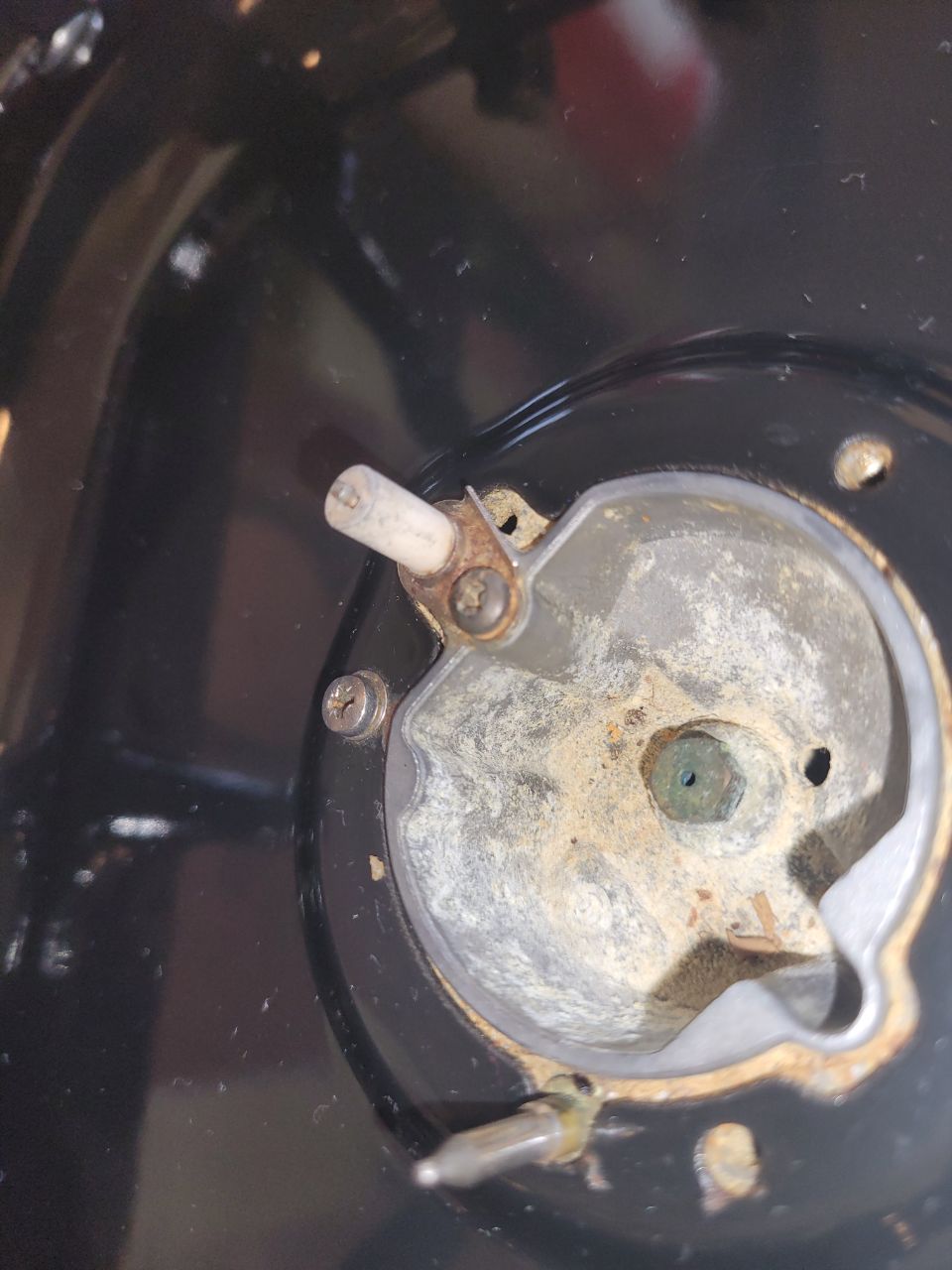
We were out in Leander this week working on a five-year-old side-by-side that wasn't making ice. The homeowner had noticed the water dispenser was slower than usual, too. Our technician Ben pulled the water inlet valve and found exactly what we see all the time in Central Texas — heavy mineral deposits and corrosion from our hard water that had finally choked off flow completely.
While we had the unit apart, we also inspected the door seals, which is standard procedure on our service calls. A failing door seal lets warm, humid air into the cabinet, making the compressor work harder and driving up energy bills.
What Makes a Refrigerator Brand 'Best' for Central Texas
The best refrigerator brands for our area handle hard water without constant maintenance, tolerate heat and humidity, use components our technicians can source locally, and offer good energy efficiency during long cooling seasons that run March through October.
Hard Water Resistance
Central Texas water contains high levels of calcium, magnesium, and other minerals. These deposits build up in water inlet valves, ice makers, and dispenser lines. Brands that use larger-diameter tubing, accessible inlet valves, and external filtration systems simply last longer here. We see fewer service calls on LG and Samsung models with their external filter housings compared to brands that bury filters inside the cabinet. When a valve does clog, models with front-accessible valves save a service call — you or a technician can clean or replace the part without pulling the entire refrigerator out from the wall.
Heat Tolerance
Refrigerators work harder in hot climates. Compressors, condenser coils, and evaporator fans all run longer cycles when ambient temperatures stay above 85 degrees for months. We recommend brands with larger condenser coils and variable-speed compressors. LG's linear compressor and Samsung's digital inverter compressor both adjust cooling output based on load and temperature, which extends component life. Whirlpool's traditional reciprocating compressors are bulletproof and easier to replace when they do fail, usually after 12–15 years of Texas service.
Local Parts Availability
When your refrigerator quits on a Saturday before a family gathering, you need parts now. LG, Samsung, Whirlpool, GE, and Frigidaire all have robust parts networks in Austin and Central Texas. We can source most common components same-day or next-day. Boutique European brands and some high-end American manufacturers require special-order parts that can take weeks. That's fine if you have a backup refrigerator, but most families don't.
Top Refrigerator Brands We Recommend for Austin and Surrounding Areas
Based on repair frequency, parts availability, and performance in our climate, we consistently recommend LG, Samsung, Whirlpool, and GE for Central Texas homes, each with specific strengths depending on your budget and feature priorities.
LG: Best Overall for Features and Efficiency
LG refrigerators offer excellent energy efficiency, smart features that actually work, and the linear compressor provides quieter operation with fewer mechanical parts to fail. Their InstaView and door-in-door models reduce how often you open the main compartment, which matters in our heat. We do see occasional linear compressor failures in the first five years, but LG extended their compressor warranty to ten years, and refrigerator repairs on these units are usually straightforward. The ice makers are reliable once you install a good external filter. Expect to pay $1,800–$4,500 depending on size and features.
Samsung: Best for Smart Home Integration
Samsung's Family Hub and Bespoke lines offer cutting-edge smart features and customizable aesthetics. The digital inverter compressor handles heat well, and the dual ice maker system (cubed and crushed) works better than most. We see occasional issues with the touchscreen and Wi-Fi modules, but mechanical components hold up well. Samsung's FlexZone drawer is genuinely useful for Texas households that entertain — it converts from fridge to freezer based on need. Parts are readily available throughout Central Texas. Price range runs $1,600–$5,000.
Whirlpool: Best Value and Longevity
Whirlpool builds straightforward, reliable refrigerators with traditional compressors that last 15–20 years in many cases. Fewer electronic components mean fewer things to break. Their mid-range models ($1,200–$2,500) offer the best value for families who want dependable cooling without smart features. The top-freezer models are nearly indestructible and cost $150–$300 less annually to operate than side-by-side units. Whirlpool owns Maytag and KitchenAid, so many parts interchange, which helps with availability and cost.
GE: Best for Traditional Layouts and Easy Service
GE Profile and GE Café lines offer solid construction with excellent parts availability. The older GE models are among the easiest to service — our technicians can diagnose and repair most issues in a single visit. Newer GE models have added smart features while keeping mechanical simplicity. The through-the-door ice and water systems handle our hard water reasonably well with regular filter changes. GE pricing is competitive at $1,400–$3,800, and resale value holds steady.
Refrigerator Styles That Work Best in Central Texas
French door and side-by-side configurations outperform top-freezer models in hot climates because they minimize cold air loss when you open the fresh food section, and the freezer placement or separation keeps temperature zones more stable.
French Door Models
French door refrigerators dominate new home installations in Round Rock, Cedar Park, and Georgetown for good reason. Opening one narrow door instead of a full-width door keeps cold air in. The freezer drawer on bottom is more efficient because cold air naturally sinks. Most French door models offer 22–27 cubic feet, which suits families of three to six. The wider shelves accommodate party platters and sheet pans. Expect to pay $1,800–$4,000 for quality models.
Side-by-Side Models
Side-by-side refrigerators provide easy access to both fresh and frozen foods at eye level, which helps for households with mobility issues. The narrow doors need less clearance to swing open, making them ideal for galley kitchens common in older Austin and Pflugerville homes. Ice and water dispensers are standard. The main drawback is narrow shelf width — you can't fit a full-size pizza box or wide platter. These run $1,400–$3,200.
Top-Freezer Models
Top-freezer refrigerators are the most affordable and energy-efficient option, typically costing $600–$1,400. They're mechanically simple with fewer things to break. However, they lose more cold air when you open the large lower door, and the compressor works harder in Texas heat. These make excellent garage or secondary refrigerators where you're storing drinks and overflow, but we generally recommend French door or side-by-side for your main kitchen unit.
Counter-Depth Considerations
Counter-depth models sit flush with cabinets for a built-in look without built-in pricing. You sacrifice about 20 percent capacity compared to standard-depth models of the same width. In Central Texas, where many homes have open-plan kitchares and large kitchens, standard-depth is usually fine. But in older homes in Hyde Park, Tarrytown, or downtown Austin with smaller kitchens, counter-depth units fit better and actually cool more efficiently because there's less interior volume.
Evaluating Refrigerator Reliability: A Diagnostic Checklist
Before you buy, and annually after installation, check these seven points to catch problems early and extend your refrigerator's service life in our demanding climate.
- Check the door seals: Close the door on a dollar bill. If you can pull it out easily, the gasket isn't sealing properly. Replace worn gaskets to prevent warm air infiltration and compressor overwork.
- Inspect the condenser coils: Located on the back or underneath, these coils dissipate heat. Dust and pet hair buildup makes the compressor run longer. Vacuum coils every six months in Central Texas — our cedar and oak pollen clogs them faster than in other climates.
- Test the water inlet valve: If ice production slows or water pressure drops, mineral buildup is likely. Shut off water supply, disconnect the inlet valve, and inspect for white or brown deposits. Clean with vinegar or replace if corroded.
- Monitor the evaporator fan: This fan circulates cold air. If the freezer is cold but the fridge is warm, or you hear clicking or squealing, the evaporator fan may be failing. This is a $150–$300 repair that prevents food loss.
- Verify temperature settings: The fresh food section should hold 37–40°F, freezer at 0–5°F. Use an appliance thermometer, not the built-in display. Incorrect temps waste energy and spoil food.
- Examine the defrost system: Frost buildup on evaporator coils or in the freezer indicates a defrost problem — usually a failed defrost heater, thermostat, or timer. This requires professional diagnosis and repair.
- Listen for compressor cycling: The compressor should cycle on and off, not run constantly. Continuous operation means the unit is working too hard due to dirty coils, failing door seals, or a refrigerant issue.
Safety note: Always unplug the appliance before any inspection or repair. If unsure, call a licensed technician. Refrigerant work requires EPA Section 608 certification. Do not attempt to handle refrigerant lines yourself.
Features Worth Paying For (and Those That Aren't)
Smart features, specialized storage zones, and energy certifications add cost — some provide real value in Central Texas homes while others are marketing gimmicks that complicate repairs without meaningful benefit.
Features We Recommend
External water filters save service calls in hard water areas. Door-in-door or dual access compartments genuinely reduce energy waste. Adjustable shelving and humidity-controlled crispers preserve produce longer in our heat. LED lighting lasts the life of the appliance and produces less heat than incandescent bulbs. Sabbath mode is essential for observant families. Energy Star certification typically means $30–$60 lower annual electric bills, which adds up over a 15-year lifespan. You can verify ratings at energystar.gov.
Features to Skip
Built-in coffee makers, tablet screens, and internal cameras add complexity without proportional value. When these features fail, repairs cost $300–$800 and you're often without the refrigerator during service. Automatic ice makers with crushed/cubed options sound great but have more failure points than single-function makers. Through-the-door water dispensers are convenient but add leak risk and require more frequent filter changes in our mineral-heavy water. Wi-Fi connectivity is useful for notifications but doesn't improve cooling performance.
When to Call a Pro vs. DIY
Homeowners can handle some refrigerator maintenance safely, but refrigerant systems, electrical diagnosis beyond simple testing, and anything involving gas lines or complex disassembly require professional expertise and proper tools.
Safe DIY Tasks
You can replace water filters, clean condenser coils with a vacuum and brush, replace door gaskets (though alignment takes patience), clean drain pans and drain lines with vinegar, and swap out light bulbs. These tasks require only basic hand tools and save service call fees. Always unplug the unit first and shut off water supply at the valve before troubleshooting. Standing water near electrical components is a serious hazard.
When to Call The Appliance Family
Refrigerant leaks, compressor replacement, evaporator or condenser coil repair, electrical control board diagnosis, and sealed system work all require professional tools and certification. If you smell something burning, hear loud grinding or clicking that doesn't stop, or notice water pooling inside or under the unit, shut it down and call for service. Our technicians carry diagnostic equipment and common parts on their trucks, so many repairs can be completed same-day. We serve all of Central Texas including Austin, Round Rock, Cedar Park, Pflugerville, Georgetown, Leander, Kyle, Buda, Lakeway, and Bee Cave. Learn more about our services or read about our family-run business.
Buying Tips for Central Texas Homeowners
Measure your space carefully, plan for delivery access through doorways and hallways, verify that local service is available for the brand you choose, and budget for a whole-house water softener if you don't have one — it's the single best investment for extending appliance life in our area.
Measure the height, width, and depth of your space, then subtract two inches from width and one inch from depth for clearance and airflow. Verify ceiling height if you're considering a taller model — standard is 68–70 inches, but some French door models reach 72 inches. Check doorway widths and any turns or stairs between your front door and kitchen. Delivery teams can often remove doors from the refrigerator for tight fits, but you need at least 32 inches of clearway clearance.
Ask retailers about delivery and haul-away costs upfront. Most charge $75–$150 for delivery and another $50–$100 to remove your old unit. Verify what's included — some services only drop the refrigerator in your garage, while others unpack, level, and connect water lines. Professional installation of water lines typically adds $100–$200 but ensures proper shutoff valve placement and leak-free connections.
Consider timing your purchase around major sales events — Memorial Day, July 4th, Labor Day, and Black Friday typically offer 20–35 percent discounts on floor models and last year's finishes. Stainless steel, black stainless, and white remain popular in Central Texas. Bespoke and panel-ready models cost more but let you match existing cabinetry.
Budget $30–$80 annually for replacement water filters. Quality brands like EveryDrop, GE, LG, and Samsung OEM filters perform better than generic options in our hard water. Change filters every three months, not the six months manufacturers suggest for average water conditions. You can find detailed appliance care information at energy.gov.
Long-Term Maintenance for Central Texas Conditions
Regular maintenance extends refrigerator lifespan from the typical 10–12 years to 15–18 years in our climate, saving thousands in replacement costs and preventing inconvenient breakdowns during holiday gatherings or summer heat waves.
Every three months, replace the water filter and inspect door gaskets for cracks or looseness. Every six months, vacuum condenser coils and check that the unit is level from side to side and front to back — an unlevel refrigerator makes the compressor work harder and can cause door seal failures. Use adjustable feet to level the unit, with a very slight tilt backward so doors swing closed naturally.
Annually, pull the refrigerator out and clean behind and underneath it. Check the drain pan for standing water or mold growth — this is common in humid climates. Flush the defrost drain with a mixture of warm water and vinegar to prevent clogs that cause water to back up into the fresh food compartment. Inspect all water line connections for slow leaks or mineral buildup. Test the door light switch to ensure it's shutting off when doors close — a stuck switch wastes energy and generates unnecessary heat.
If you have an ice maker, run a cleaning cycle every six months or whenever you notice cloudy ice or off flavors. Most manufacturers recommend a simple vinegar solution through the water system. Hard water ice often has a white cloudy appearance from mineral content — this is cosmetic but signals that you're due for filter replacement.
Keep the refrigerator 70–85 percent full for optimal efficiency. An empty refrigerator loses cold air quickly when opened, while an overpacked one restricts airflow. If you're storing a second refrigerator in the garage, consider turning it off during mild winter months (November through February in Central Texas) to save energy when you don't need the extra capacity.
Frequently Asked Questions
Which refrigerator brand handles Central Texas hard water the best?
LG and Samsung models with external filtration systems handle our hard water well. Their water inlet valves are more accessible for cleaning, and replacement filters are widely available locally. We also see fewer mineral-related compressor issues with these brands compared to others in the Austin area.
Are French door refrigerators worth the extra cost in Texas?
French door models keep cold air in better when you open the fridge section, which matters during our long summers. The freezer drawer on bottom runs more efficiently in heat. Expect to pay $1,800–$3,500, but the energy savings and performance in our climate often justify the investment over a decade.
How often should I replace my refrigerator water filter in Austin?
Replace filters every three to four months in Central Texas, not the six months manufacturers suggest. Our hard water clogs filters faster. You'll notice reduced water flow, cloudy ice, or off-tasting water when it's time. Keep two spare filters on hand since mineral buildup happens quickly here.
What size refrigerator do most Austin homes need?
Most Central Texas families do well with 22–27 cubic feet. Measure your space first, allowing one inch clearance on sides and back for airflow. Larger homes in Georgetown or Lakeway often have space for 28–32 cubic foot models. Counter-depth models sacrifice about 20 percent capacity but fit flush with cabinetry.
Do I need a warranty extension on a new refrigerator?
Extended warranties can make sense for high-end models with complex features like dual compressors or smart systems. Standard warranties cover one year parts and labor. Major component failures typically happen in years two through five. Review what's covered and compare the cost to average repair bills in that range.
Get Expert Help Choosing and Maintaining Your Refrigerator
Choosing the best refrigerator brands for Central Texas means balancing features, budget, and local climate challenges. At The Appliance Family, we've seen which brands and models perform best across thousands of service calls in Austin, Round Rock, Cedar Park, Pflugerville, Georgetown, Leander, Kyle, Buda, Lakeway, Bee Cave, and surrounding communities. Whether you need help selecting a new refrigerator, maintaining your current one, or diagnosing a problem, our technicians bring honest expertise and same-day service to your home.
If you're experiencing cooling issues, strange noises, water leaks, or ice maker problems, don't wait until you lose a freezer full of food. Call us at (512) 934-2240 or visit our contact page to schedule service. We're a local, family-run business that stands behind our work and treats your home with the same care we'd give our own.
Need a hand with your appliance?
Same-day appliance repair and installation across the Austin area.