The Complete Guide to Washing Machine Repair in Austin
TL;DR
- Most washing machine problems fall into five categories: won't drain, won't spin, leaks water, won't start, or makes loud noises
- Always unplug and shut off water before troubleshooting; check simple fixes like clogged filters and kinked hoses first
- DIY is safe for cleaning filters and replacing basic hoses; call a pro for electrical components, motor issues, and transmission work
- Repair costs in Austin typically range $150–$400; machines under 8 years old are usually worth fixing
- The Appliance Family serves Austin and Central Texas with same-day service and honest diagnostics
If you're searching for washing machine repair in Austin, you're probably standing in front of a washer full of soggy clothes wondering what went wrong. We've been there hundreds of times with homeowners across Central Texas, from Georgetown to Buda, and we know how frustrating appliance breakdowns can be. The good news is that many washing machine problems have straightforward solutions, and we're here to walk you through what's happening, what you can check yourself, and when it's time to call The Appliance Family for professional repair.
From our truck this week
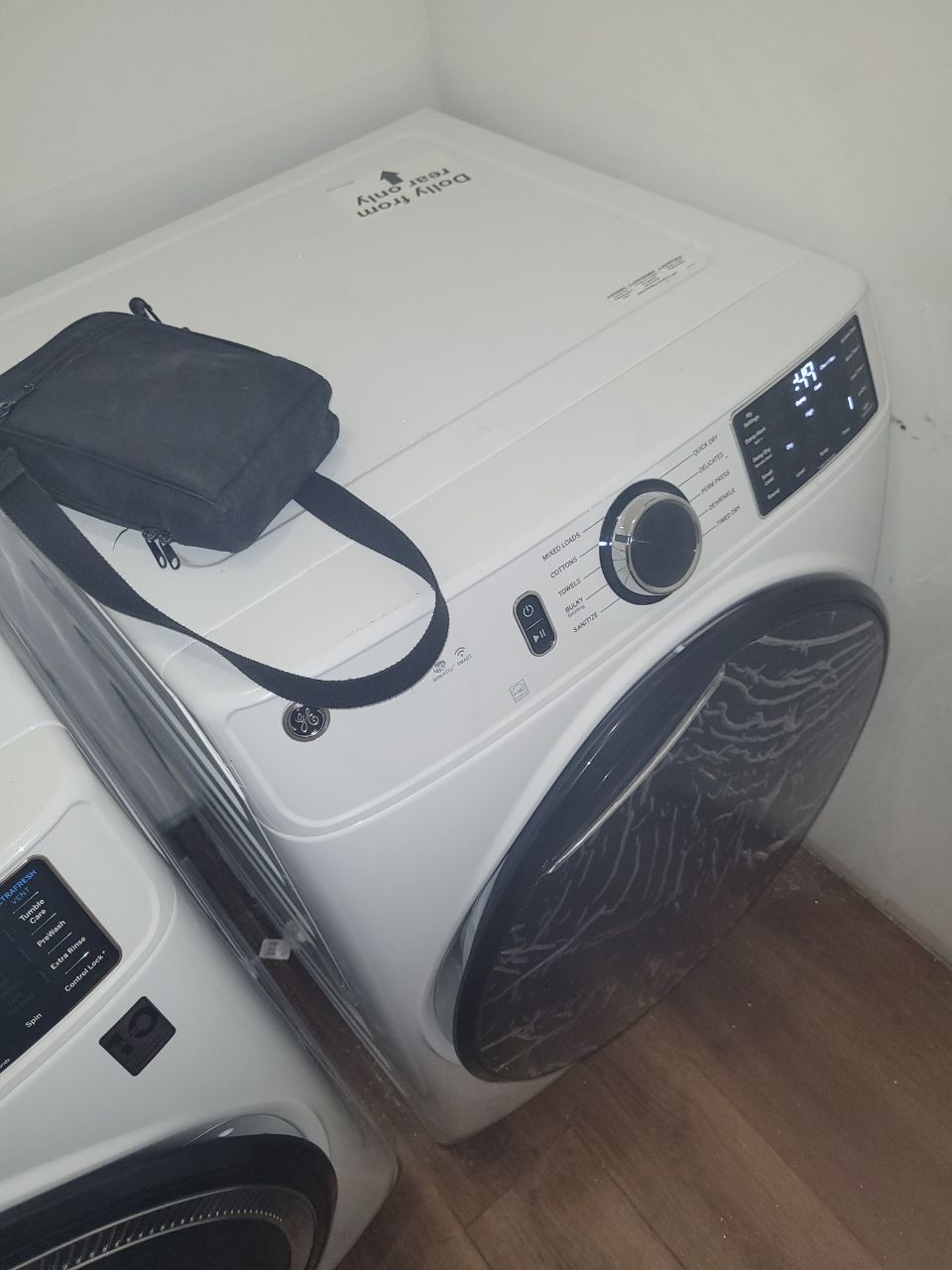
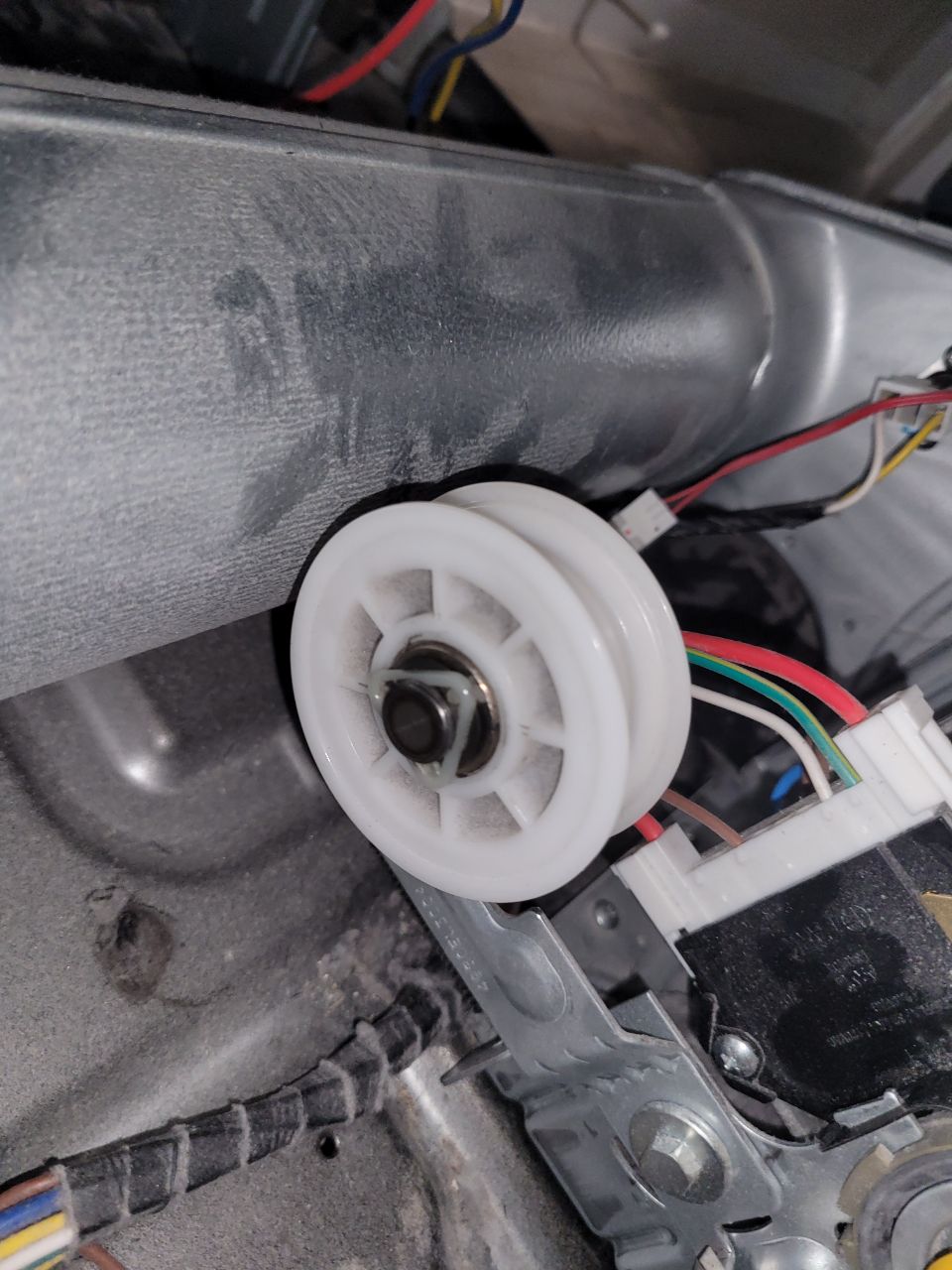
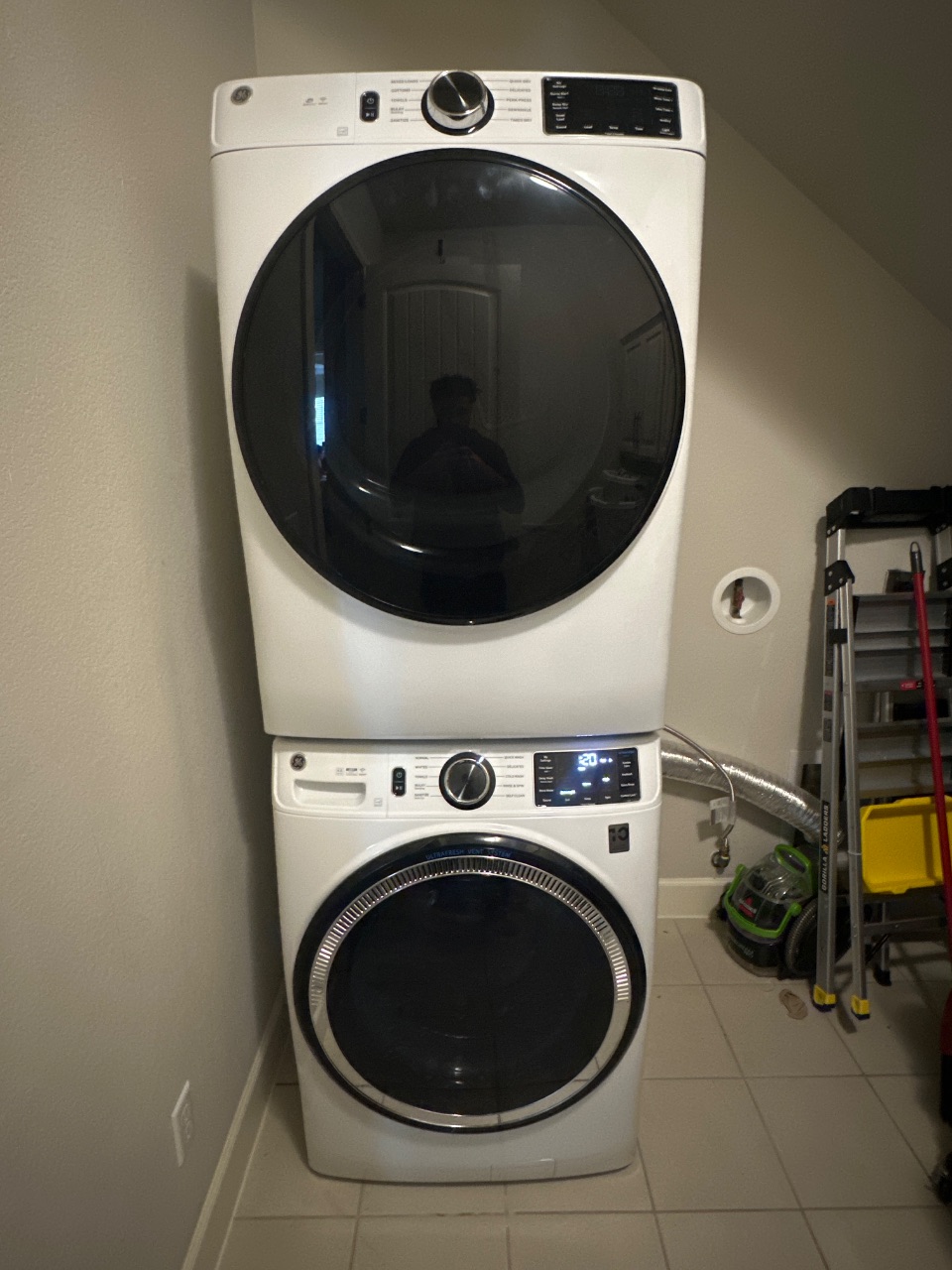
Our technicians responded to two common washer issues this week that perfectly illustrate what we see every day in Austin area homes. We replaced a drum seal gasket assembly that had been leaking water underneath the machine for weeks—the homeowner thought it was a minor drip until they moved the washer and found standing water. We also serviced a stacked washer-dryer unit in a Cedar Park townhome where space is tight and every square foot matters.
Understanding How Your Washing Machine Works
Modern washing machines have several key systems working together: a motor that drives the drum or agitator, a pump that drains water, inlet valves that control water flow, a door lock or lid switch for safety, and a control board that orchestrates everything. Top-load and front-load washers use different mechanisms, but both rely on these core components to move clothes through wash, rinse, and spin cycles.
In Central Texas, our hard water adds another variable. Mineral deposits build up in hoses, valves, and heating elements over time, which is why we often find calcification contributing to failures that wouldn't happen as quickly in areas with softer water. Front-load washers use a horizontal drum and rely on gravity to tumble clothes, which uses less water but makes them prone to door seal problems and mold in our humid Austin climate. Top-load washers with agitators are simpler mechanically, while high-efficiency top-loaders without agitators bridge the gap between the two styles.
Common Washing Machine Problems and Symptoms
The five most common washing machine failures we diagnose are drainage issues where water stays in the tub, spin cycle problems that leave clothes soaking wet, water leaks pooling under or around the machine, complete failure to start or advance through cycles, and unusual noises like grinding, squealing, or banging during operation.
Washer Won't Drain or Drains Slowly
When water won't drain, the culprit is usually a clogged drain pump, kinked drain hose, or blockage in the standpipe where your drain hose connects. Small items like socks, coins, or debris get caught in the pump filter or impeller. You'll notice standing water at the end of the cycle, or the washer stopping mid-cycle with a drain error code.
Won't Spin or Spins Weakly
A washer that won't spin leaves clothes dripping wet. Common causes include a broken drive belt, worn motor coupling, faulty lid switch or door lock, or a failed motor control board. In top-loaders, the lid switch is a frequent failure point—if the washer doesn't detect a closed lid, it won't spin for safety reasons. Front-loaders depend on a door lock mechanism that fails electrically or mechanically.
Water Leaks During or After Cycles
Leaks come from several sources: deteriorated door seals (especially common in front-loaders), loose or cracked fill hoses, worn tub seals like the one we replaced this week, faulty water inlet valves, or a damaged outer tub. The challenge is identifying where the water originates, since it can travel along the machine's frame before dripping onto your floor.
Complete Electrical Failure
When your washer is completely dead with no lights or sounds, check the basics first: is it plugged in, is the outlet working, is the circuit breaker tripped? If those check out, you're likely looking at a failed control board, broken power cord, or internal thermal fuse that's blown due to overheating. These require professional diagnosis with a multimeter to trace electrical continuity.
Washing Machine Diagnostic Checklist
Before calling for service, running through these diagnostic steps can sometimes solve simple problems and will definitely help our technicians work more efficiently when they arrive. Always remember: shut off the water supply at the valve behind or beside your washer, and unplug the machine before inspecting anything.
- Check power supply and settings — Verify the washer is plugged in, the outlet works (test with another device), the circuit breaker hasn't tripped, and you haven't accidentally selected a delay start or special cycle that changes normal operation.
- Inspect water supply hoses — Look for kinks, cracks, or loose connections at both the wall valves and the back of the machine. Make sure both hot and cold valves are fully open. Replace rubber hoses older than 5 years with braided stainless steel versions that resist bursting.
- Clean the drain pump filter — Most front-loaders and some top-loaders have an accessible filter at the bottom front of the machine. Open it over a shallow pan (water will come out), remove lint and debris, and replace it. This solves many drainage issues immediately.
- Examine the drain hose — Follow the drain hose from the washer to the standpipe or laundry sink. Look for kinks, clogs, or a hose inserted too far into the standpipe (it should only go 6-8 inches in, or water can siphon back).
- Test the door seal and lid switch — On front-loaders, inspect the rubber door gasket for tears, mold, or objects caught in the folds. On top-loaders, manually press the lid switch (usually a small plastic tab under the lid) and listen for a click. A broken switch prevents spinning.
- Run an empty diagnostic cycle — Many modern washers have a diagnostic or cleaning cycle in the settings. Run this without clothes to see if error codes appear on the display or if the machine behaves differently when empty versus loaded.
- Check for error codes — If your washer has a digital display, write down any error codes you see. Look them up in your owner's manual or online at the manufacturer's support page—they often point directly to the failed component.
Safety reminder: Always unplug the appliance before any inspection or repair. If unsure, call a licensed technician. Shut off the water supply at the valve before troubleshooting. Standing water near electrical components is a serious hazard.
When to Call a Pro vs. DIY
Some washing machine repairs are perfect for homeowners with basic tools and mechanical confidence, while others require specialized knowledge, parts, and equipment that only professional technicians carry.
Safe DIY Repairs
You can safely handle these tasks yourself: cleaning or replacing the drain pump filter, replacing inlet hoses (the ones connecting your wall valves to the washer), cleaning the door seal and dispensers on front-loaders, releveling the machine with adjustable feet to stop walking or excessive vibration, and clearing obvious blockages from the drain hose. These require no electrical work and minimal disassembly. The ENERGY STAR website has maintenance guides that walk through these basic tasks.
When to Call The Appliance Family
Call a professional for anything involving the motor, transmission, control board, or internal wiring; replacing drum bearings or tub seals that require complete disassembly; diagnosing and repairing electronic control systems; any situation where you smell burning or see sparking; and whenever you're simply not sure what's wrong. Our technicians carry specialized tools, stock common parts on the truck, and can diagnose complex problems in minutes that might take a homeowner hours of frustration. We serve the entire Austin area including Lakeway, Bee Cave, Leander, and Kyle with professional washer repair.
What to Expect from Professional Repair
When you call The Appliance Family for washing machine repair in Austin, here's what happens: we schedule a service window that works with your day, and our technician arrives in a fully stocked truck with common parts and diagnostic equipment. We start with a thorough inspection and testing to identify the exact problem, not just the symptoms.
We'll explain what's wrong in plain English, show you the failed component when possible, and give you an honest assessment of repair cost versus replacement value for your specific machine. If the repair makes sense, many jobs are completed same-day since we stock parts for major brands.
Cost Factors in Austin
Washing machine repair costs vary based on the failed component, your machine's brand and age, and labor involved. A simple drain pump replacement typically runs $150–$250, while motor or control board work ranges $250–$400. Very complex repairs involving the transmission or outer tub might exceed $400, at which point we'll have an honest conversation about whether replacement makes more financial sense.
Repair vs. Replace Decision
The math is straightforward: if your washer is under 8 years old and the repair costs less than 50% of a comparable new machine, repair is usually the smart choice. For machines over 10 years old with major component failures, replacement often makes more sense. The middle ground—8 to 10 years old—depends on overall condition, repair cost, and whether you've had previous repairs. Our technicians give honest advice because we care more about your long-term satisfaction than making an extra service call next year. The Consumer Product Safety Commission tracks appliance recalls and safety issues that might factor into your decision.
Preventive Maintenance Tips for Austin Homeowners
Regular maintenance extends your washing machine's lifespan and prevents many common failures. Clean the door seal and detergent dispenser monthly on front-loaders to prevent mold buildup—our humidity makes this essential. Leave the door ajar between loads to let moisture evaporate. Check hoses every six months for cracks or bulges, and replace them every five years even if they look fine.
Run a cleaning cycle monthly with washing machine cleaner or white vinegar to dissolve mineral deposits from our hard water, according to Consumer Reports recommendations. Don't overload the machine, which strains the motor and bearings. Use HE (high-efficiency) detergent in HE machines—regular detergent creates excess suds that damage components. Keep the machine level by checking with a bubble level on top of the washer; adjust the feet as needed to prevent excessive vibration that loosens connections and wears bearings prematurely.
Frequently Asked Questions
How much does washing machine repair cost in Austin?
Most washing machine repairs in the Austin area range from $150 to $400 depending on the issue and parts needed. Simple fixes like clogged drain pumps or loose belts are on the lower end, while motor or control board replacements cost more. The Appliance Family provides free diagnostics with repair, so you'll know the exact cost before we start work.
Is it worth repairing a washing machine or should I replace it?
If your washer is under 8 years old and the repair costs less than half the replacement price, repair usually makes sense. We generally recommend replacement for machines over 10 years old with major component failures like transmission or tub issues. Our technicians will give you honest advice based on your specific situation and machine condition.
How long does a typical washing machine repair take?
Many washing machine repairs can be completed same-day, with most service calls taking 1 to 2 hours once our technician arrives. Simple repairs like replacing a lid switch or drain pump take under an hour. More complex issues requiring multiple parts or deeper diagnostics may need a follow-up visit if we need to order specialized components.
What are the most common washing machine problems?
The most common issues we see in Central Texas are drainage problems from clogged pumps, worn door seals causing leaks, broken agitators or drum bearings, faulty lid switches preventing spin cycles, and control board failures. Hard water in the Austin area also contributes to mineral buildup that affects hoses, valves, and heating elements over time.
Do you repair all washing machine brands?
Yes, The Appliance Family repairs all major washing machine brands including Whirlpool, Maytag, GE, Samsung, LG, Frigidaire, Kenmore, Bosch, and Electrolux. We stock common parts for popular models on our trucks and maintain relationships with suppliers across Central Texas to get specialized components quickly when needed.
Why Central Texas Trusts The Appliance Family
We're a family-run business serving our neighbors throughout Austin and Central Texas, from Round Rock and Cedar Park to Pflugerville, Georgetown, Leander, Kyle, Buda, Lakeway, and Bee Cave. Our technicians live in these communities, understand the specific challenges of appliance ownership in our climate, and treat your home the way we'd treat our own family's homes.
When your washing machine breaks down, you need someone who answers the phone, shows up on time, gives honest diagnostics, and fixes the problem right the first time. That's what we do every day. You can learn more about our family business and see why hundreds of Central Texas homeowners call us first when appliances fail.
We're here to help whether you need immediate repair, advice on a DIY fix, or guidance on whether to repair or replace. Give us a call at (512) 934-2240 or contact us through our website to schedule service. We'll get your laundry routine back on track fast.
Need a hand with your appliance?
Same-day appliance repair and installation across the Austin area.