Ice Maker Not Working? Common Causes and Quick Fixes
TL;DR
- Check the basics first: water supply valve open, filter replaced within six months, freezer temperature between 0°F and 5°F, and ice maker arm in the down position.
- Common culprits: frozen fill tube, failed water inlet valve, clogged filter, faulty control module, or a simple ice jam blocking the mechanism.
- DIY-friendly fixes: filter replacement, temperature adjustment, thawing the fill tube with a hairdryer, and clearing ice blockages—all safe for homeowners.
- Call a pro when: you need inlet valve replacement, control board diagnostics, harvest motor repair, or any work involving water line connections and electrical components.
- Safety first: always unplug the refrigerator and shut off the water supply before attempting any repair or inspection.
If your ice maker's not working, you know the frustration—warm drinks, last-minute store runs for bagged ice, and the nagging worry about what's broken inside your refrigerator. At The Appliance Family, we've diagnosed and repaired hundreds of ice makers across Austin, Round Rock, Cedar Park, and the surrounding communities, and the good news is that most failures have simple explanations and straightforward fixes. In this guide, we'll walk you through the most common causes, show you how to troubleshoot step by step, and help you decide when to pick up the phone and when to roll up your sleeves.
From Our Truck This Week
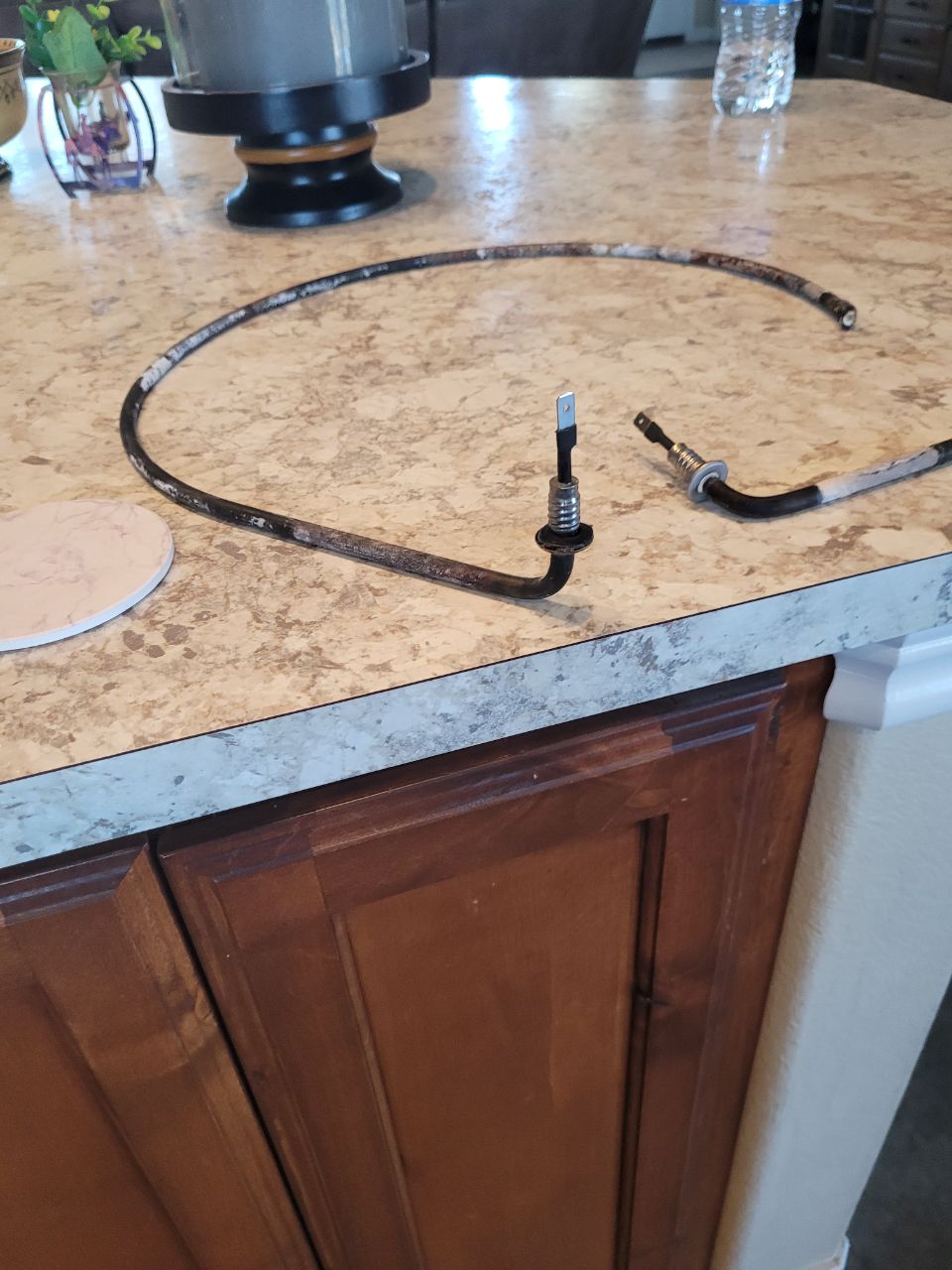
We had a busy week tackling ice maker issues all over Central Texas. One call in Cedar Park involved a refrigerator that hadn't made ice in over a month—our technician Ben pulled the water line inlet valve and tubing assembly to inspect for blockages and corrosion. The valve had failed internally, restricting water flow even though the line itself was clear.
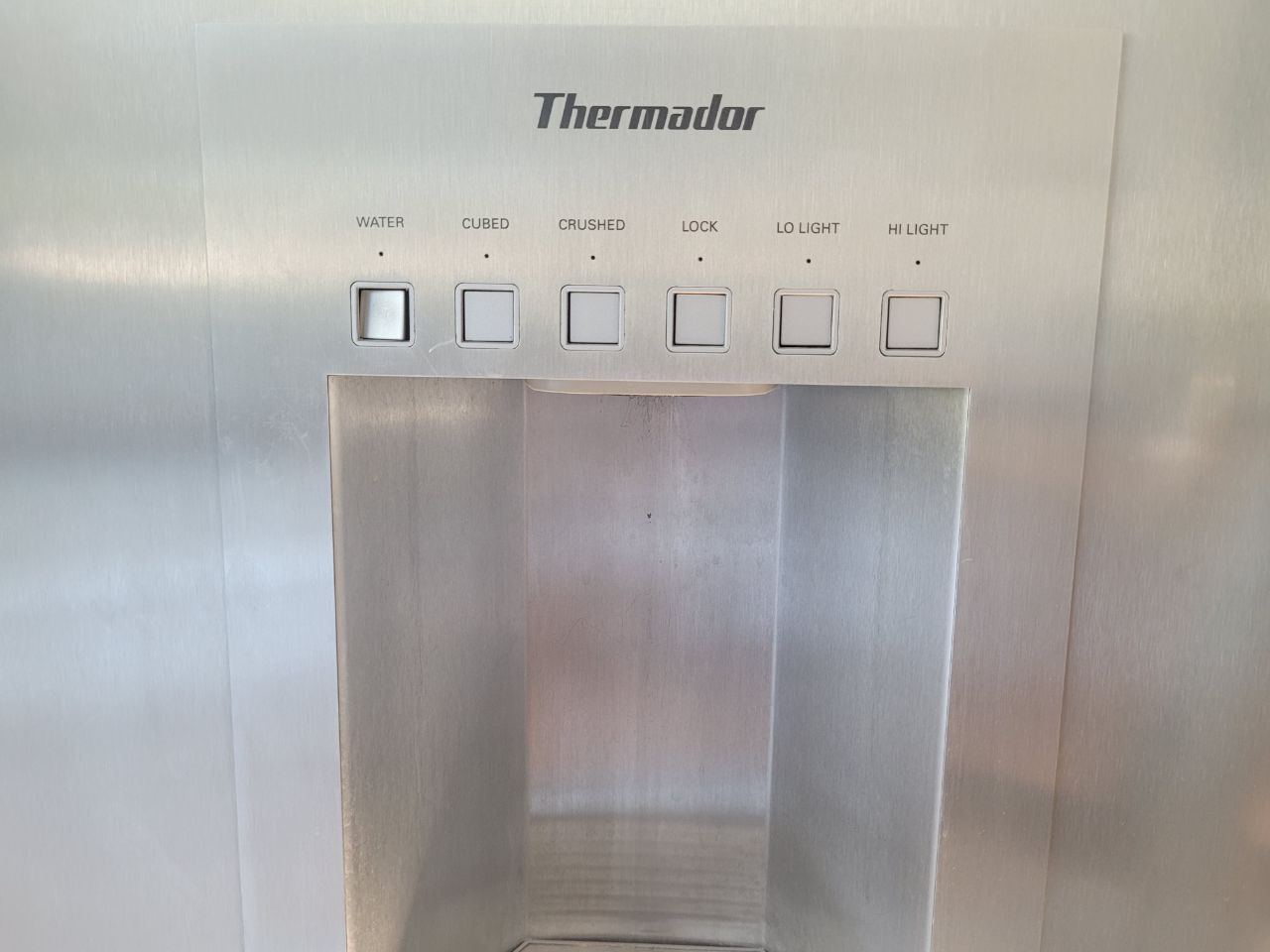
Later that same day, we serviced a high-end Thermador unit in Lakeway where the homeowner thought the ice maker was broken, but it turned out the control panel had been set to the wrong ice form setting and the unit was simply locked.
Understanding How Your Ice Maker Works
Ice makers operate on a straightforward cycle: water flows through the inlet valve into a mold, the freezer cools it until sensors detect ice formation, a heating element briefly warms the mold bottom to release the cubes, and a motor sweeps them into the storage bin. When any component in this chain fails—valve, thermostat, heater, motor, or control board—ice production stops or becomes inconsistent.
Water supply issues cause roughly half of all ice maker failures we see at The Appliance Family. The other half split between mechanical problems (motors, ejector arms, mold heaters) and electronic failures (thermostats, control boards, wiring). Understanding this cycle helps you pinpoint where the breakdown is occurring.
Common Causes of Ice Maker Failure
Ice makers fail for a handful of predictable reasons, and identifying the right one saves time and money. The water inlet valve, fill tube, and water filter account for the majority of service calls.
Frozen Fill Tube
The fill tube carries water from the inlet valve to the ice mold. If your freezer runs too cold (below 0°F), moisture can freeze inside this tube, blocking water flow. You'll hear the ice maker cycle and the inlet valve click, but no water reaches the mold. This is especially common in Central Texas homes where people crank the freezer down during our hot summers. Thawing the tube with a hairdryer (on low, never high heat directly on plastic) usually restores function, but you'll need to adjust the freezer temperature to prevent it from happening again.
Faulty Water Inlet Valve
The inlet valve contains a solenoid coil and a rubber diaphragm. Over time, sediment from the water supply (common in our hard water areas like Georgetown and Leander) can clog the valve, or the coil can fail electrically. A bad valve typically shows no water flow at all, a weak trickle, or water leaking from the valve body onto the floor behind the fridge. Replacing the valve costs between $150 and $300 depending on the refrigerator brand.
Clogged Water Filter
This is the single easiest fix and the one homeowners most often overlook. Refrigerator water filters should be replaced every six months as a rule, but in areas with mineral-heavy water, they can clog in as little as three to four months. A clogged filter restricts water flow to a trickle, and the ice maker mold never fills properly. You'll see small, hollow, or misshapen cubes—or no ice at all. Filters typically cost $30 to $60, and replacement takes less than five minutes with no tools required on most models.
Ice Maker Arm or Sensor Stuck
Most ice makers have a wire arm (called a feeler arm or shut-off arm) or an optical sensor that detects when the bin is full. If the arm is stuck in the up (off) position, or if ice has jammed around the sensor, the ice maker won't cycle. Simply lowering the arm or clearing the jam solves the problem immediately. We've had service calls where this was the entire issue—five seconds to fix, but the homeowner had gone weeks without ice.
Control Module or Thermostat Failure
The control module is the brain of the operation. If it fails, the ice maker won't initiate cycles, won't call for water, or won't trigger the harvest sequence. Thermostats can also fail, preventing the module from knowing when the ice is frozen. Diagnosing these components requires a multimeter and knowledge of the specific model's wiring and resistance values. Replacement modules range from $100 to $350 in parts alone, and installation is best left to a professional.
Step-by-Step Troubleshooting Checklist
Before you call for service, work through this diagnostic checklist. These steps are safe for homeowners and will help you identify the problem—or at least rule out the easy fixes.
- Confirm the ice maker is turned on. Check for a power switch on the ice maker itself, a feeler arm in the down position, or a control panel setting that might have been accidentally changed. Some models have a lock feature that disables ice production.
- Verify the water supply valve is open. Look under the sink or behind the refrigerator for a small shut-off valve on the water line. Turn it fully counterclockwise to ensure water can flow.
- Replace the water filter. If it's been more than six months (or if you can't remember the last replacement), swap in a new filter. Run a few gallons of water through the dispenser to flush air from the line.
- Check the freezer temperature. Use an appliance thermometer (not the built-in display, which can be inaccurate). The ideal range is 0°F to 5°F. Colder than 0°F can freeze the fill tube; warmer than 10°F won't freeze ice properly.
- Inspect for ice jams. Remove the ice bin and look inside the ice maker cavity. Clear any cubes or frost blocking the ejector mechanism, fill tube, or sensor. Also check that the bin itself is seated correctly—many models won't cycle if the bin is misaligned.
- Listen during a cycle. Manually advance the ice maker (consult your owner's manual for the reset procedure—usually holding a button or turning a gear). Listen for the inlet valve to click and water to flow. If you hear clicking but no water, suspect the valve or a frozen fill tube. If you hear nothing, the control module may have failed.
- Examine the inlet valve and water line. Unplug the refrigerator and shut off the water supply. Pull the fridge away from the wall and inspect the inlet valve (usually near the bottom back panel) and the supply line for kinks, leaks, or visible damage.
Safety reminder: Always unplug the appliance before any inspection or repair. Shut off the water supply at the valve before troubleshooting. Standing water near electrical components is a serious hazard.
When to Call a Pro vs. DIY
Homeowners can safely handle water filter changes, temperature adjustments, clearing ice jams, and resetting the ice maker. These tasks require no special tools, carry minimal risk, and solve a significant percentage of ice maker problems.
However, some repairs demand professional expertise. Replacing the water inlet valve involves shutting off water, disconnecting supply lines, removing the refrigerator's back panel, and working with both plumbing and electrical connections—any mistake can lead to leaks, electrical shorts, or damage to the valve seat. Control module and thermostat replacements require precise diagnostics to confirm the failed component and familiarity with the refrigerator's wiring harness. According to the EPA Section 608 guidelines, only certified technicians can legally purchase, handle, or recover refrigerants.
At The Appliance Family, we carry inlet valves, control modules, and other common ice maker parts on our trucks, so many repairs can be completed same-day. We serve all of Austin and Central Texas—from Georgetown and Round Rock down to Kyle and Buda, and out to Lakeway and Bee Cave. If you're not comfortable with the repair, or if the problem persists after you've tried the basic fixes, give us a call at (512) 934-2240.
DIY-Friendly Tasks
- Replacing the water filter every six months
- Adjusting freezer temperature between 0°F and 5°F
- Clearing ice jams from the bin and ejector mechanism
- Lowering a stuck feeler arm
- Thawing a frozen fill tube with a hairdryer (low heat only)
- Resetting the ice maker using the manual cycle button or gear
Call a Technician For
- Water inlet valve replacement or testing
- Control module or thermostat diagnostics and replacement
- Harvest motor or ejector arm motor repair
- Mold heater element replacement
- Refrigerant leaks or compressor issues affecting freeze cycles
- Any situation where you're uncertain about electrical or water line safety
Preventive Maintenance Tips
Keeping your ice maker running smoothly is easier and cheaper than repairing it after failure. A few simple habits extend the life of the components and ensure consistent ice production year-round.
Replace the water filter on schedule—set a recurring reminder on your phone for every six months. In Central Texas, our water hardness varies widely (Georgetown and Round Rock have particularly mineral-rich water), so if you notice reduced water flow or odd-tasting ice before the six-month mark, change the filter early.
Keep the freezer at the correct temperature. Use an inexpensive appliance thermometer to verify that the actual temperature matches the control panel setting. The U.S. Department of Energy recommends 0°F for freezers and 37°F for refrigerators as optimal for efficiency and food safety.
Clean the ice bin and ice maker every few months. Remove the bin, wash it with warm soapy water, and wipe down the ice maker cavity with a damp cloth. Mineral deposits, mold, and old ice residue can interfere with sensors and moving parts.
Inspect the water supply line annually. Look for kinks, cracks, or signs of wear where the line connects to the shut-off valve and the refrigerator. Braided stainless steel lines last longer than plastic and are less prone to bursting. Check CPSC.gov for any recalls or safety notices related to your model.
Frequently Asked Questions
Why is my ice maker not making ice even though the water line is connected?
The most common culprits are a frozen fill tube, a clogged water filter, or a faulty water inlet valve. Check if the freezer temperature is too low (below 0°F), which can freeze the fill tube. Replace the water filter if it hasn't been changed in six months. If the inlet valve isn't opening, you'll hear the ice maker cycle but see no water enter the mold.
How do I know if my ice maker's water inlet valve is bad?
A failing inlet valve usually shows one of three symptoms: no water entering the ice maker at all, a slow trickle that doesn't fill the mold properly, or water leaking from the valve body. You can test it with a multimeter for continuity (should read 200–500 ohms). If the valve hums but doesn't open, or shows no continuity, it needs replacement.
Can I fix an ice maker myself or should I hire a technician?
Simple fixes like replacing the water filter, adjusting temperature settings, clearing ice jams, or resetting the unit are safe DIY tasks. However, if you need to replace the inlet valve, harvest motor, control module, or diagnose refrigerant issues, call a professional. Water line work and electrical diagnostics require proper tools and experience to avoid flooding or electrical hazards.
How often should I replace my refrigerator's water filter?
Most manufacturers recommend replacing the water filter every six months, or sooner if you notice reduced water flow or ice production. In Central Texas, our hard water can clog filters faster than average. If your household uses a lot of ice and filtered water, consider changing it every four to five months. A clogged filter is one of the most common reasons for ice maker failure.
Why does my ice maker make hollow or small ice cubes?
Hollow or undersized cubes typically indicate low water pressure or a partially clogged water filter. The ice maker mold isn't filling completely before the freeze cycle starts. Check that your home's water pressure is at least 20 psi (40–60 psi is ideal). Replace the filter, ensure the water line isn't kinked, and verify the inlet valve is fully functional.
Get Your Ice Maker Running Again
An ice maker that's not working doesn't have to mean days without ice or an expensive appliance replacement. Most failures have straightforward causes—frozen fill tubes, clogged filters, failed inlet valves—that can be diagnosed methodically and repaired quickly. By working through the troubleshooting checklist in this guide, you'll either restore ice production yourself or gather the information our technicians need to fix the problem efficiently when we arrive.
The Appliance Family has been serving Austin, Round Rock, Cedar Park, Pflugerville, Georgetown, Leander, Kyle, Buda, Lakeway, Bee Cave, and all of Central Texas for years, and ice maker and refrigerator repair is one of our most common calls. We know these appliances inside and out, we carry the parts on our trucks, and we're available when you need us. If you've tried the basics and your ice maker still isn't producing, don't wait—reach out to us at our contact page or call (512) 934-2240 to schedule service. We'll get your ice maker back in action so you can get back to cold drinks and entertaining without the hassle.
Need a hand with your appliance?
Same-day appliance repair and installation across the Austin area.